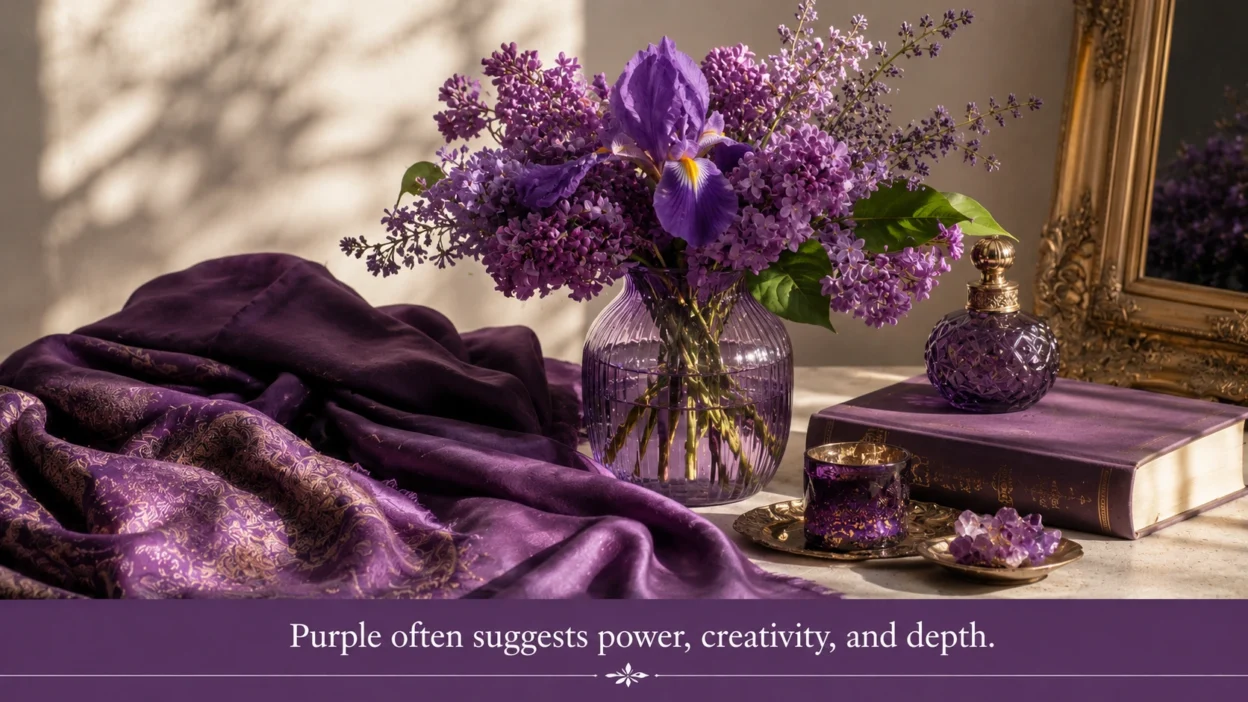
Purple is one of those colors people notice fast. It feels rich, calm, and a little mysterious at the same time. That mix is a big reason Purple Symbolism still matters today.
In the USA, people connect purple with royalty, spirituality, creativity, and pride. It can also suggest dignity, luxury, wisdom, and individuality. At the same time, its meaning shifts with context, so it never feels one-note.
You may see purple in clothing, flowers, decor, flags, awareness ribbons, or art. Sometimes it feels soft and dreamy. Other times it feels bold and powerful.
Quick Answer
Purple symbolism in the USA usually points to royalty, luxury, creativity, wisdom, and spiritual depth. It can also suggest mystery, independence, and personal style. In older traditions, purple was linked to power because it was hard to make and very expensive.
TL;DR
• Purple often means royalty, dignity, and high status.
• In the USA, it also suggests creativity and individuality.
• Ancient purple dye was rare and costly.
• Spiritual traditions often connect purple with reflection and devotion.
• Purple can feel calm, rich, mysterious, or imaginative.
• Today, people use purple in fashion, decor, tattoos, and awareness campaigns.
What Purple Looks Like in Everyday Life
Purple is not just one color. It includes light lilac, soft lavender, deep plum, royal purple, and bold violet. Each shade changes the feeling a little.
In daily life, purple appears in flowers, fabrics, makeup, packaging, lighting, and digital designs. Because it sits between red and blue, it often feels like a bridge between energy and calm.
Shades, Forms, and Common Settings
Purple can look gentle or dramatic depending on the shade and the setting. A pale lavender dress feels very different from a dark plum velvet jacket.
Common examples include:
• Lavender in home decor and beauty products
• Violet flowers in spring arrangements
• Plum tones in formal clothing
• Royal purple in ceremony and celebration
• Neon purple in music and nightlife imagery
Core Meanings People Attach to Purple
Purple usually carries a cluster of meanings instead of just one. That is part of its strength. It can feel noble, thoughtful, imaginative, and a little secretive all at once.
For a USA reader, the most common ideas are royalty, creativity, and spirituality. However, purple can also suggest kindness, maturity, and emotional depth.
The Main Ideas at a Glance
These are the meanings people most often notice first:
• Royalty and prestige
• Creativity and imagination
• Wisdom and spiritual reflection
• Mystery and the unseen
• Individuality and self-expression
Ancient Roots of Purple
Purple has a long history because it was once one of the hardest colors to produce. In the ancient world, especially around the Mediterranean, purple dye came from sea snails and took huge effort to make. That scarcity gave the color power.
Because it was so costly, rulers, priests, and nobles often used purple to show rank. Over time, the color became a sign of authority, honor, and sacred importance.
From Rare Dye to Symbol of Power
Purple’s status grew for practical reasons, not just poetic ones. When something is rare, people often attach value to it.
The ancient world shaped purple’s meaning in a few clear ways:
• Expensive dye made the color a status marker
• Rulers used purple to show control and prestige
• Religious leaders used it for sacred or ceremonial dress
• The color became linked with honor and formal power
Purple Symbolism in the USA
In the USA, purple keeps its older royal meaning, but it also carries modern ideas. People often see it as a color of creativity, confidence, and identity. It can feel elegant, artistic, and slightly unconventional.
American culture also uses purple in awareness ribbons, school colors, sports branding, and holiday decor. As a result, the color feels both personal and public.
Meanings in American Culture
Purple in the USA often signals a mix of strength and imagination. It can feel polished without feeling cold.
| Context | Meaning in the USA | Common Associations | Notes |
|---|---|---|---|
| Formal clothing | Elegance and status | Satin, velvet, ceremonies | Often feels refined |
| Awareness ribbons | Support and remembrance | Causes, campaigns, solidarity | Meaning depends on the cause |
| Sports and school colors | Team identity | Pride, energy, loyalty | Often chosen for visibility |
| Home decor | Calm luxury | Lavender, plum, jewel tones | Popular in bedrooms and living rooms |
| Seasonal design | Festive or moody mood | Fall, winter, holiday accents | Depends on shade and pairing |
Purple in Religion and Spiritual Life
Purple has long spiritual associations in many traditions. It can suggest reverence, devotion, sacrifice, and inner depth. In Christian settings, for example, purple often appears during seasons of reflection and preparation.
However, its spiritual meaning is not limited to one faith. Many people also connect purple with meditation, intuition, and a sense of the hidden.
Sacred and Reflective Uses
In spiritual life, purple often stands for inward focus. It can point to the idea that not everything important is visible.
Here are some common spiritual themes:
• Reflection and prayer
• Preparation and self-discipline
• Sacred mystery
• Humility mixed with dignity
• Inner wisdom and intuition
Emotional and Psychological Meaning
Purple often makes people think of imagination and emotional depth. It can feel comforting, but it can also feel dramatic. That is why it works well in both calm and bold settings.
Psychologically, purple may suggest someone who values originality, privacy, or creative freedom. It can also feel soothing when the shade leans toward lavender.
What Purple Signals About Mood
People often read purple as a color with layers. It does not feel plain or rushed.
Common emotional responses include:
• Calmness with a touch of drama
• Creativity and playful thinking
• Mystery and inward focus
• Confidence without loudness
• Sensitivity and emotional richness
Purple in Fashion, Beauty, and Decor
Purple has a strong place in style because it can be both soft and dramatic. In fashion, it may suggest confidence or artistic taste. In beauty, lavender and plum shades often feel graceful, romantic, or bold.
In home design, purple can warm up a room or make it feel more luxurious. The effect depends on the shade and how much of it appears.
Style Choices That Shape Meaning
Purple works well when the goal is to stand out without looking harsh. Lighter shades feel airy, while darker ones feel richer.
Popular uses include:
• Lavender walls for a soft, restful mood
• Plum accents for depth and warmth
• Purple makeup for expressive style
• Purple clothing for confidence and individuality
• Jewel-tone decor for a luxurious finish
Purple in Art, Pop Culture, and Everyday Expression
Purple shows up often in art because it creates mood quickly. It can suggest dream spaces, fantasy, sadness, beauty, or power. Artists often choose it when they want emotional contrast.
In pop culture, purple can signal uniqueness or charisma. It is common in album covers, stage lighting, fantasy worlds, and visual identity.
Why Creators Choose Purple
Purple gives creators a lot of range. It can feel romantic in one scene and powerful in the next.
It is often used for:
• Dreamlike or magical imagery
• Bold stage design
• Retro or nostalgic aesthetics
• Emotional storytelling
• High-contrast visual identity
Purple in Tattoos and Personal Identity
Purple tattoos often carry a personal message. People may choose the color to show creativity, transformation, memory, or spiritual growth. Others simply love how rich the color looks on skin.
Because purple can feel both calm and striking, it works well for small symbols and larger designs. Flowers, butterflies, crowns, moons, and abstract shapes often use it well.
What Purple Tattoos Often Mean
A purple tattoo can feel personal without being obvious. It often tells a quiet story.
Common tattoo meanings include:
• Self-expression and originality
• Healing or change
• Memory and devotion
• Spiritual meaning
• Beauty with emotional depth
Misunderstandings and Controversies
Purple is usually positive, but context always matters. A shade can mean one thing in fashion and something else in a political or awareness setting. That is why it helps to look at the full image, not just the color alone.
Also, purple can be used in ways that feel overly glamorous or fake. Some people love that effect, while others think it looks too dramatic. Meaning depends on the setting and the viewer.
When Purple Can Be Misread
Purple is not automatically royal, spiritual, or soft. Sometimes it is simply a design choice.
A few common misunderstandings include:
• Assuming every purple symbol means luxury
• Treating all purple shades the same
• Ignoring cultural or event-specific meanings
• Reading spiritual meaning where none was intended
How Purple Meanings Have Shifted
Purple used to be mainly about rarity and status. Today, it still carries that history, but the color has become more open and personal. More people can wear and use it, so the meaning feels less exclusive.
At the same time, purple has gained new links to identity, self-expression, and awareness. In modern life, it can stand for both heritage and freedom.
From Elite Color to Personal Choice
Purple’s journey shows how meanings evolve. A color once tied to kings and priests now appears in everyday life.
That shift happened because:
• Modern dye made purple easier to buy
• Fashion made the color more accessible
• Spiritual and creative uses grew stronger
• Public awareness campaigns gave it new layers
Purple Symbolism in the USA Today
Today, purple in the USA feels versatile. It can mean elegance, support, creativity, calm, or individuality. It is one of the few colors that can move easily between luxury and softness.
That flexibility is why people keep using it. Purple does not lock into one identity. Instead, it adapts to the message behind it.
Read More: Pink Symbolism: Meaning, History, and USA Culture
Why Americans Keep Returning to Purple
Purple remains popular because it works in many moods and settings. It can be formal, playful, reflective, or modern.
It often appears in:
• Fashion and accessories
• Awareness ribbons and causes
• Home decor and seasonal styling
• Social posts and profile aesthetics
• Gifts, flowers, and celebration themes
FAQs
What does purple symbolize most often?
Purple most often symbolizes royalty, creativity, and spiritual depth. In the USA, it also suggests individuality and elegance. The exact meaning depends on shade and context.
Why is purple linked to royalty?
Purple was once very expensive to make. Because few people could afford it, rulers and nobles used it as a sign of status. That history still shapes the color today.
Is purple a spiritual color?
Many people see purple as spiritual. It often suggests reflection, intuition, and sacred meaning. Different traditions use it in different ways, especially in ceremonial settings.
What does lavender purple mean?
Lavender usually feels softer than deep purple. It often suggests peace, grace, gentleness, and calm creativity. People use it in decor, fashion, and wellness spaces.
What does purple mean in tattoos?
Purple tattoos often suggest creativity, change, memory, or spiritual growth. Some people choose them for the color’s beauty alone. Others use them to tell a private story.
Can purple have negative meanings?
Yes, in some settings it can seem overly dramatic, artificial, or hard to read. Still, that is usually about context, not the color itself. Most purple meanings remain positive or thoughtful.
Conclusion
Purple symbolism has stayed powerful because it carries more than one idea at once. It can mean royalty, creativity, spiritual depth, mystery, and self-expression. That mix gives it lasting appeal in American life. Purple Symbolism matters today because it still feels both classic and personal. It connects old status, modern style, and inner meaning in one color. When you see purple again, notice the shade and the setting. Those details often tell you more than the color alone.


