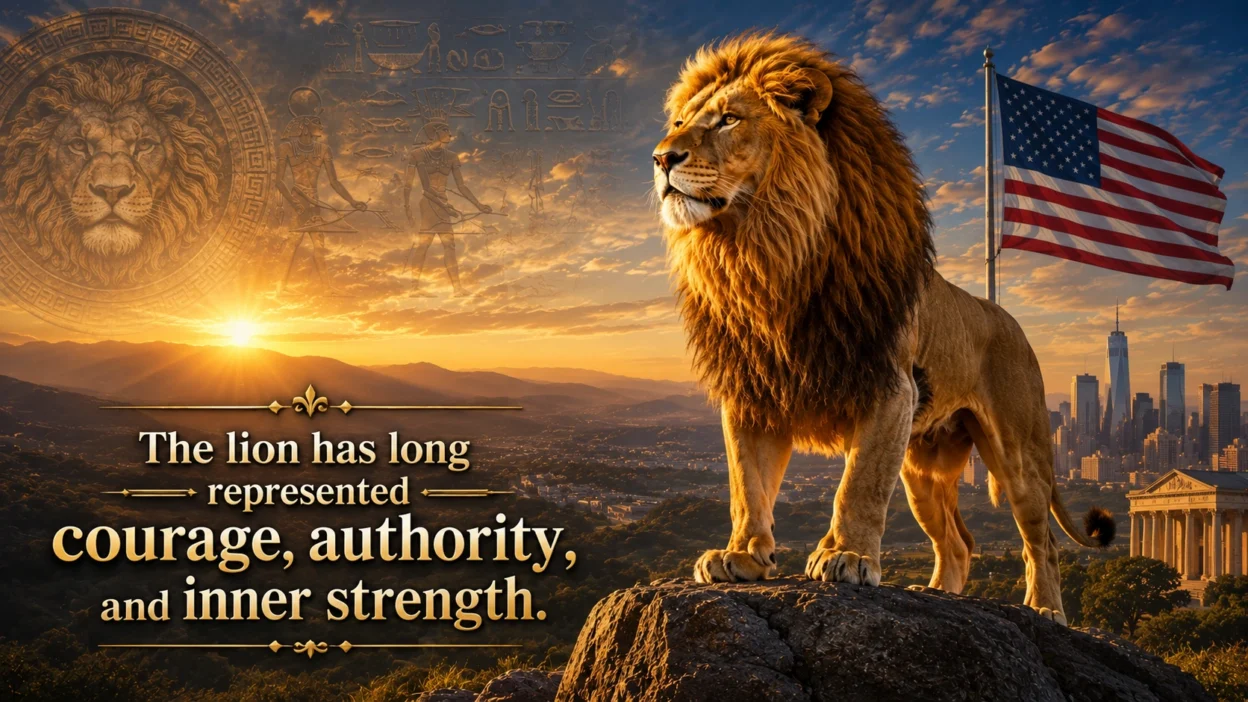
Lion Symbolism reflects powerful meaning across civilizations, religions, and cultures for thousands of years, inspiring leadership and inner strength. Lions have long been associated with dominance, bravery, protection, authority, power, confidence, justice, and spiritual authority.
In mythology, spiritual traditions, dreams, art, and modern symbolism, the king of beasts remains a timeless symbol that continues to symbolize fearless self-expression. From what I have observed, people from different backgrounds often feel inspired by the lion because it encourages resilience and a strong sense of purpose.
Many belief systems say the lion teaches us to stand with strength while leading with integrity. Its protective nature shows that true courage is not simply being fearless, but also using our abilities wisely to help others. Every generation discovers fresh meaning in this enduring symbol, which is why the lion stands as a respected figure of character and responsibility.
Quick Answer
Lion Symbolism in the United States usually represents strength, courage, leadership, and protection. Across broader cultures and spiritual traditions, lions can also symbolize royalty, divine power, wisdom, and inner resilience.
TL;DR
• Lions commonly symbolize strength and courage.
• Ancient cultures linked lions with kings and gods.
• Americans often connect lions with confidence and success.
• Lion tattoos often express identity and protection.
• Meanings have shifted across history and media.
• Some modern uses create confusion or controversy.
Overview of Lion Symbolism
What People Usually Mean by Lions
People often understand symbols through quick emotional reactions. Lions create strong reactions because they combine beauty with visible power.
Today, many Americans see lions as signs of personal strength or leadership. However, people may also view them as protectors or symbols of family loyalty.
Common associations include:
• Courage under pressure
• Leadership and authority
• Protection of loved ones
• Confidence and pride
• Inner strength during hardship
• Personal independence
How Lions Usually Appear
The lion’s appearance changes symbolic meaning.
• Roaring lions suggest dominance and confidence
• Sleeping lions suggest controlled strength
• Lions with crowns suggest royalty
• Lion heads suggest wisdom and authority
• Lion families suggest protection and unity
Historical Background of Lion Symbolism
Ancient Roots
The lion became important long before modern nations existed. Ancient civilizations often saw lions as powerful creatures that stood between humans and divine forces.
Because lions once lived across parts of Africa, Europe, and Asia, many early societies encountered them directly.
Ancient meanings included:
• Sacred protection in ancient Egypt
• Royal authority in Mesopotamia
• Warrior symbolism in Persia
• Solar power in early cultures
• Divine guardianship in temples
Medieval and Later Changes
During medieval periods, lions became connected with kings, noble families, and coats of arms.
European heraldry often used lions because rulers wanted symbols that suggested strength and legitimacy.
Later, lion symbolism moved beyond royalty and entered broader public culture.
What Does the Lion Mean in America?
American Cultural Meaning
For modern American readers, lion symbolism often focuses less on monarchy and more on personal success.
The United States does not have kings or queens. Because of that, lion symbolism shifted toward individual achievement and determination.
| Context | Meaning in the USA | Common Associations | Notes |
| Sports teams | Competitive strength | Victory, energy | Common mascot use |
| Tattoos | Personal identity | Courage, resilience | Often deeply personal |
| Social media | Confidence | Motivation, self-image | Popular quote themes |
| Home decor | Protection | Family values | Often placed at entrances |
| Entertainment | Heroic character | Leadership | Strong emotional impact |
Media Influence
Movies and television changed lion symbolism for many Americans.
Stories often portray lions as wise leaders, protectors, or figures overcoming hardship. Because of that, younger generations may understand lions through emotional storytelling rather than ancient traditions.
Lion Symbolism in Ancient Mythology
Sacred and Mythological Lions
Ancient myths often treated lions as more than animals. Instead, they acted as bridges between ordinary life and supernatural worlds.
Examples include:
• Lion guardians at sacred gates
• Sun-related divine figures
• Heroic creatures in legends
• Protective spiritual beings
• Symbols of cosmic order
Why Ancient People Chose Lions
People respected animals that seemed impossible to control.
Lions hunted large prey and displayed visible strength. Ancient observers naturally turned these qualities into symbolic ideas.
Spiritual Meaning of Lions
Lions and Spiritual Strength
Many spiritual traditions view lions as signs of courage and faith.
Instead of only physical power, the lion often represents inner strength. This can mean staying calm during fear or protecting others through wisdom.
Spiritual meanings often include:
• Personal courage during uncertainty
• Faith and endurance
• Protection against fear
• Inner authority
• Spiritual awakening
Religious Associations
Some traditions connect lions with holy figures or divine qualities. However, meanings differ widely between religions and regions.
Today, people often borrow lion imagery spiritually without attaching it to one specific belief system.
Lion Symbolism Across Cultures
Different Meanings Around the World
Although similarities exist, cultures don’t always interpret lions in the same way.
Cross-cultural examples include:
• African traditions often connect lions with leadership
• Chinese symbolism sometimes emphasizes guardianship
• Indian traditions may connect lions with divine power
• European traditions often stress royalty
• Middle Eastern traditions sometimes emphasize bravery
Shared Themes
Despite differences, certain ideas repeatedly appear.
Strength, protection, and authority continue showing up across many traditions.
Emotional and Psychological Meaning of Lions
Why People Feel Drawn to Lion Symbols
Psychologically, symbols often reveal values people admire.
Many individuals choose lions because they represent traits they want for themselves.
Common emotional associations include:
• Feeling brave during challenges
• Seeking personal confidence
• Wanting emotional protection
• Building self-respect
• Showing determination
Identity and Self-Image
People often use lion imagery during periods of change.
For example, someone recovering from hardship may see a lion as a reminder of resilience.
Lion Tattoo Meaning
Why Lion Tattoos Remain Popular
Lion tattoos continue growing in popularity throughout the United States because they combine visual impact with emotional meaning.
People choose different styles depending on the message they want.
Popular tattoo themes include:
• Roaring lions for strength
• Lionesses for family protection
• Crowned lions for leadership
• Geometric lions for balance
• Lion cubs for family bonds
Personal Interpretation Matters
Two lion tattoos may look similar but mean very different things.
For one person, a lion may represent faith. For another, it may symbolize survival after hardship.
Lions in Modern Culture and Social Media
Digital Symbolism
Today, symbols spread quickly online.
Lions often appear with motivational phrases or personal growth themes.
Examples include:
• Confidence-focused posts
• Fitness motivation themes
• Leadership messages
• Family-centered content
• Inspirational videos
Home and Fashion Use
Lion imagery also appears in everyday objects.
• Wall art and sculptures
• Jewelry designs
• Clothing graphics
• Decorative entry statues
• Phone wallpapers
Misunderstandings and Controversies
Positive Meanings Versus Misuse
Most lion symbolism remains positive. However, symbols sometimes change when groups adopt them for unrelated purposes.
Some uses may create confusion because viewers attach different meanings.
Examples include:
• Excessive dominance imagery
• Aggressive identity messaging
• Misuse within online movements
• Simplified cultural borrowing
Context Matters
The lion itself is not inherently negative.
Instead, meaning often depends on who uses the symbol and why.
Read More: Eagle Symbolism: Power, Freedom, and American Meaning
How Lion Symbolism Changed Over Time
Historical Shifts
Lion symbolism has never stayed fixed.
Ancient societies often connected lions with gods and rulers. Later periods emphasized noble families and kingdoms. Today, many Americans focus more on personal identity and emotional strength.
Modern Revival
Several older meanings have returned in new forms.
People now revisit traditional symbols through tattoos, spirituality, and social media communities.
Current trends include:
• Inner strength themes
• Protective family symbolism
• Spiritual self-discovery
• Personal growth imagery
• Vintage symbolic designs
FAQs
1. What does lion symbolism represent?
Lion symbolism commonly represents courage, authority, leadership, protection, confidence, justice, and inner strength. Across many cultures and belief systems, the lion is seen as a symbol of fearless character and personal power.
2. Why is the lion called the “king of beasts”?
The lion earned the title “king of beasts” because of its commanding presence, bravery, and natural leadership. These qualities have made it a respected symbol in mythology, art, and spiritual traditions for centuries.
3. What does seeing a lion in a dream symbolize?
A lion in a dream often symbolizes courage, self-confidence, protection, or the need to take charge of a situation. The exact meaning depends on the dream’s details and the dreamer’s personal experiences.
4. How is lion symbolism used in different cultures?
Many civilizations and religions use the lion to represent royalty, justice, strength, and divine protection. Although interpretations vary, the lion consistently symbolizes power and leadership across cultures.
5. What lesson can we learn from lion symbolism?
Lion symbolism teaches us to lead with integrity, protect what matters, face challenges with courage, and rely on inner strength rather than fear. It encourages balanced leadership that combines confidence with responsibility.
Conclusion
Lion Symbolism has inspired people for thousands of years by representing courage, authority, protection, and fearless leadership. Whether found in mythology, spiritual traditions, dreams, or modern symbolism, the lion continues to remind us that true strength comes from confidence, integrity, and the willingness to stand up for what is right. Its timeless message encourages us to lead with wisdom while staying true to our values.