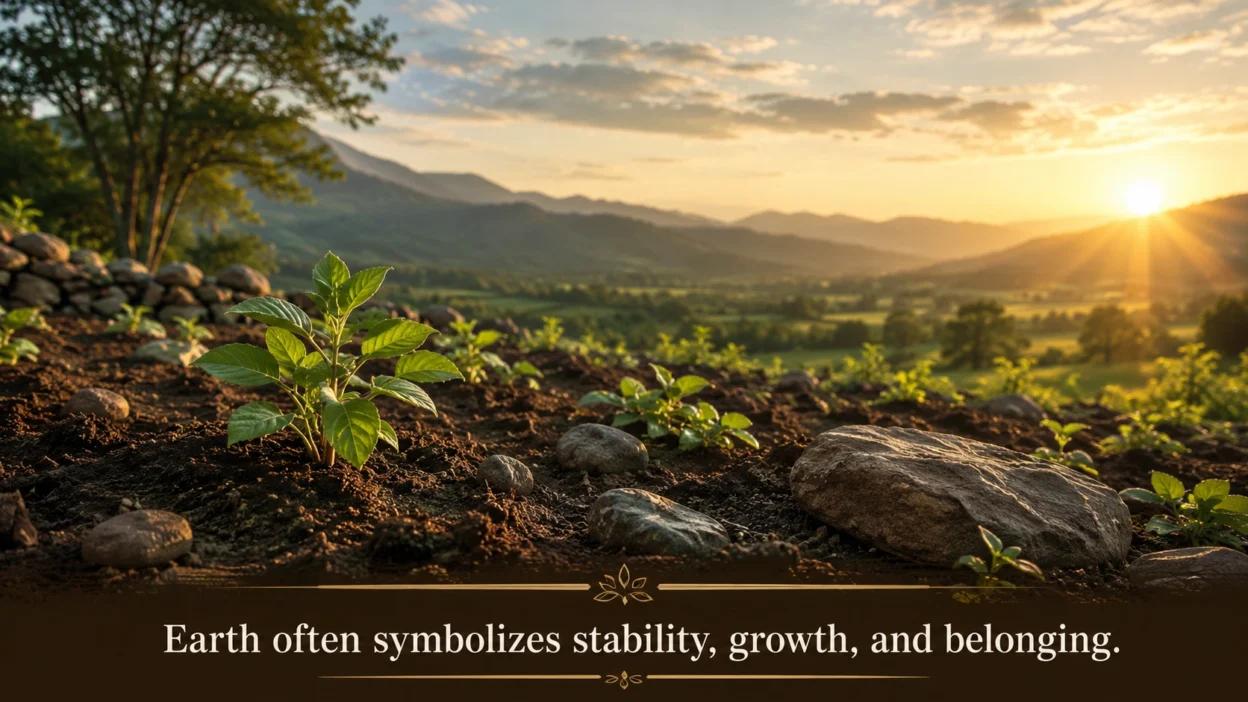
Earth Symbolism reveals how earth connects people with life, nature, and lasting meaning, offering grounding, balance, and strength every day. Earth Symbolism is one of the oldest and most universal forms of symbolism, carrying many meanings across spiritual traditions, cultures, religions, myths, dreams, and art. At its core, the meaning of earth comes from its role as the giver of life, providing the foundation and structure that support everything around us. This element has shaped countless belief systems and remains deeply connected to physical reality. From what I have studied over the years, I have found this lasting connection is one reason it stays relevant in everyday life.
The symbolic nature of earth symbolizes grounding, fertility, stability, nourishment, and abundance. Its solid and enduring character reflects strength, patience, balance, and steady roots, reminding people to build their lives with care. These qualities also represent endurance, proving that lasting growth often comes through calm and consistent effort rather than quick success.
When people spend time in nature, they notice its deep rhythms, and earth quietly teaches a true sense of balance between daily responsibilities and personal growth. That enduring symbol continues to appear across different traditions, remaining meaningful for future generations and reminding us why it still matters today.
Quick Answer
Earth symbolism in the USA usually means stability, nourishment, home, and grounding. It can also suggest growth, endurance, and a deep bond with nature. In older traditions, earth often represented the body, fertility, and the physical world.
TL;DR
- Earth often symbolizes stability, safety, and support.
- In the USA, it also suggests home and nature.
- Ancient cultures linked earth to fertility and life.
- Earth can mean grounding, patience, and resilience.
- It appears in decor, tattoos, rituals, and branding.
- Meanings shift with context, culture, and purpose.
What Earth Symbolism Means at a Glance
Earth is one of the simplest symbols to understand, yet it carries many layers. It can mean the ground beneath us, but it also points to life itself.
Core meanings people connect with earth
Most people associate earth with strength, shelter, and growth. However, it can also mean calm, structure, and belonging.
• Stability and support
• Growth and nourishment
• Home and safety
• Grounding and calm
Because earth is so basic, it often feels trustworthy. It gives people a sense of solid ground in a changing world.
What Earth Looks Like in Symbolic Imagery
Earth symbolism often shows up through color, texture, and setting. Brown soil, green plants, rocks, mountains, and fields all carry earth-related meaning.
Common visual forms
A field can suggest abundance. A stone can suggest endurance. Also, roots and soil often symbolize hidden strength.
Why appearance matters
• Brown suggests fertility and grounding
• Green suggests growth and renewal
• Stone suggests permanence and resilience
• Mountains suggest strength and scale
These visual details shape the message. For example, a cracked desert plain feels different from rich farmland.
Ancient Roots of Earth Symbolism
Earth symbolism is extremely old. Long before modern nations, people depended on the land for food, shelter, and survival.
Earth as a life source
Ancient communities saw earth as the giver of crops, animals, and water. Because of that, the land often became sacred. It was not just useful; it was deeply respected.
Earth in early myth and ritual
Many early cultures linked earth to motherhood, fertility, and creation. In myth, earth was often imagined as a great mother figure. Also, burial practices tied the human body back to the ground.
Earth therefore became a symbol of both beginning and ending. It gave life, and it received life back again.
Earth in Spiritual and Religious Traditions
Earth often carries spiritual meaning across traditions. In the USA, many readers still recognize these older ideas, even if they do not follow a specific faith.
Earth as creation, body, and balance
In many religious systems, earth represents the physical world. It can also stand for humility, because human life returns to dust or soil. However, it may also symbolize sacred order and balance.
Respectful cross-cultural meanings
In some Indigenous traditions, earth is a living relative, not just a resource. In many Hindu and Buddhist contexts, earth can represent endurance, witness, and presence. Also, in Christian language, earth often contrasts with heaven, yet it still carries sacred value.
These meanings differ, but they share a common idea. Earth is not empty space. It is the place where life becomes real.
Earth Symbolism in the USA
In the USA, earth symbolism is tied closely to land, family, work, and identity. It appears in farming, environmental care, home decor, and even political language.
American ideas tied to earth
The American imagination often connects earth with the frontier, farmland, and open space. It can suggest independence, but it can also suggest stewardship. Also, earth often stands for what is real, practical, and dependable.
How Americans use earth imagery
• Farming and harvest culture
• National parks and outdoor life
• Soil, roots, and family heritage
• Environmental care and conservation
Earth imagery matters in the USA because land has shaped history. It appears in stories about settlement, ownership, labor, and belonging.
Earth and the Idea of Home
Earth often feels like home because it is solid and familiar. In American culture, this symbol can link personal identity to place.
Roots, place, and belonging
People often say they are “grounded” when they feel secure. They may also speak about “roots” when describing family or hometown ties. Because of that, earth becomes a symbol of lasting connection.
Home as shelter and continuity
A house sits on the earth, but it also depends on it. Gardens, yards, roads, and farms all remind people that home is part of a larger landscape. For many Americans, that makes earth feel personal, not abstract.
Earth as a Symbol of Growth and Fertility
Earth is one of the strongest symbols of growth because it feeds life directly. Seeds, crops, trees, and flowers all depend on it.
Fertility and abundance
In symbolic language, fertile earth means more than crops. It can also mean creative energy, possibility, and new beginnings. However, fertility here is about capacity, not just biology.
Patience and development
Earth teaches slow growth. A seed does not rush. Instead, it needs time, water, light, and steady ground. That idea fits many American life lessons about hard work and steady progress.
Emotional and Psychological Meanings of Earth
People often turn to earth imagery when they need calm. It suggests stability in a world that can feel noisy or rushed.
What earth signals emotionally
Earth can communicate safety, maturity, and self-control. It can also suggest humility, reliability, and trustworthiness. Because of that, earth imagery often feels comforting.
Why people relate to it
• It slows the mind
• It feels solid and real
• It suggests patience
• It offers quiet strength
Earth symbolism can also help people through stress. It reminds them to breathe, stand firm, and focus on what matters.
Earth in Modern Design, Tattoos, and Media
Earth symbolism appears everywhere now. It shows up in minimalist decor, wellness branding, tattoo art, and nature-based visuals.
Tattoos and personal meaning
People often choose earth tattoos to show rootedness, resilience, or a love of nature. Some include mountains, soil, trees, or the planet itself. Also, earth tattoos can reflect healing or a return to basics.
Design and digital culture
Earth colors are common in home decor because they feel calm and natural. Greens, browns, tans, and stone tones create a grounded mood. In social media, earth imagery often supports wellness, sustainability, and mindful living.
Common modern uses
• Earth tones in fashion
• Nature imagery in branding
• Planet themes in activism
• Grounding language in wellness posts
These uses show how flexible the symbol is. Earth can feel rustic, modern, peaceful, or serious.
Earth Signs, Seasons, and Natural Cycles
Earth symbolism is also tied to cycles. People notice that land changes with the seasons, yet it remains itself.
Seasons and renewal
Spring shows earth waking up. Summer shows abundance. Fall shows release. Winter shows stillness. Together, they create a rhythm people can trust.
Earth as continuity
Earth does not disappear when the weather changes. That makes it a strong symbol of continuity and patience. For many Americans, that steady cycle feels reassuring.
Read More: Snake Symbolism: Meaning, History, and Modern Uses
Table: Earth Symbolism in Everyday Life
| Context | Meaning in the USA | Common Associations | Notes |
| Farm fields | Nourishment, work, harvest | crops, labor, family land | Strong rural symbolism |
| House foundations | Safety, support, permanence | shelter, roots, stability | Often used in home imagery |
| Mountains and rocks | Strength, endurance, resilience | hiking, wilderness, challenge | Suggests something long-lasting |
| Gardens and soil | Growth, care, renewal | planting, patience, healing | Often tied to personal renewal |
| Planet Earth | Unity, responsibility, shared home | climate, ecology, global life | More modern and environmental |
Misunderstandings and Controversies
Earth symbolism is usually positive, but it can also be misunderstood. Context matters a lot.
When earth means possession or control
Land can symbolize belonging, but it can also point to conflict. In American history, land ownership has been tied to power, displacement, and inequality. Because of that, earth imagery can carry a serious political edge.
When “natural” is oversimplified
Some people treat earth symbolism as always pure or always peaceful. That is too simple. Earth can support life, but it can also mean drought, erosion, and disaster.
Careful distinctions to keep in mind
• Nature is not always gentle
• Land can be sacred or contested
• Grounding can be healing or limiting
• Earth imagery can hide real history
A neutral reading keeps both beauty and tension in view.
How Earth Symbolism Has Changed Over Time
Earth has kept its basic meaning, but modern readers use it in new ways. Older ideas about fertility and survival still matter, yet today’s meanings also include wellness and ecology.
From survival to reflection
At first, earth meant food, shelter, and life. Later, it became a symbol of mothering, endurance, and home. Today, it also signals sustainability and mental balance.
What modern Americans emphasize
• Environmental responsibility
• Personal grounding
• Minimalist, natural living
• Connection to ancestry and place
Earth symbolism now feels both ancient and current. That blend helps it stay relevant across generations.
FAQs
1. What does Earth Symbolism mean?
Earth Symbolism represents grounding, stability, strength, fertility, and nourishment. It reflects the importance of building a balanced and meaningful life while staying connected to nature.
2. Why is earth considered a universal symbol?
Earth is seen as a universal symbol because every culture depends on it for life. Across many traditions, religions, myths, and belief systems, it represents security, growth, patience, and endurance.
3. What spiritual lessons does Earth Symbolism teach?
Earth teaches the value of patience, balance, steady progress, and resilience. It reminds people that lasting success often comes from consistent effort rather than quick results.
4. How is Earth Symbolism used in modern life?
Today, Earth Symbolism appears in art, home décor, meditation, gardening, environmental movements, tattoos, and personal growth practices. Many people use it as a reminder to stay grounded and connected to nature.
5. Why do people feel connected to Earth Symbolism?
People often relate to Earth Symbolism because it reflects everyday experiences such as growth, family, stability, and the natural cycles of life. Its message remains meaningful across generations.
Conclusion
Earth Symbolism has remained meaningful for centuries because it reflects the strong connection between people and the natural world. From ancient traditions to modern life, it continues to represent grounding, strength, balance, patience, and growth. Its enduring message encourages us to build solid foundations, appreciate nature’s rhythms, and move through life with steady purpose and resilience.