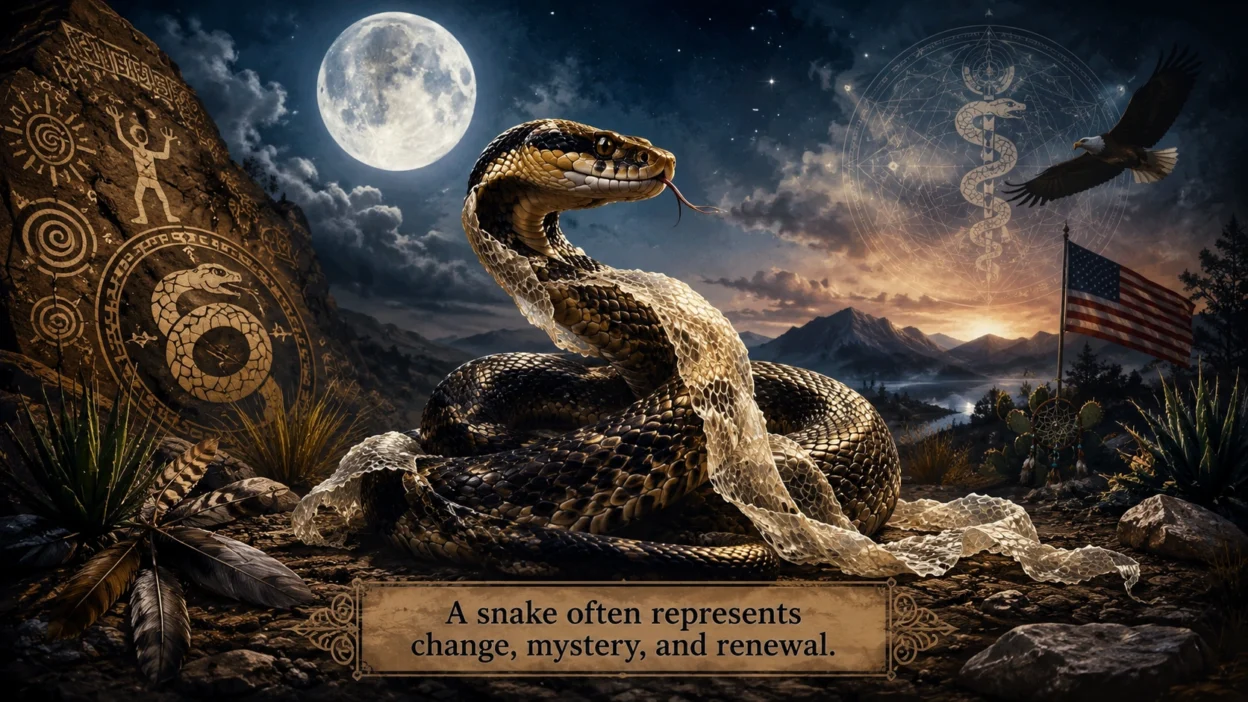
Snake Symbolism has remained one of the oldest and most complex symbols in human history, reflecting transformation, rebirth, and renewal. Across spiritual traditions, ancient myths, religious texts, dreams, and modern symbolism, snakes carry many symbolic meanings that have been shaped by culture and experience. They symbolize healing, power, awareness, and change. A snake can shed skin, continue through shedding skin, move silently with silent movement, and live close to the earth, making it a lasting symbol of growth and wisdom in many belief systems connected with the earth, nature, and long-standing traditions.
From my experience studying symbolism, the snake is often misunderstood and feared, yet its message remains deeply positive. It teaches that real growth begins by shedding the old and embracing a fresh beginning. These layered meanings have inspired generations because they reflect the natural cycle of learning, adapting, moving forward, and gaining understanding.
This article explores these ideas in a clear, balanced, and insightful way through stories, beliefs, and personal reflection. Its profound lessons show that lasting strength often starts with inner transformation, making snake symbolism meaningful across time.
Quick Answer
Snake Symbolism in the United States often represents transformation, hidden strength, danger, and wisdom. More broadly, snakes have long symbolized rebirth, healing, protection, and spiritual change across many cultures.
TL;DR
• Snakes often symbolize transformation and renewal.
• Ancient cultures linked snakes with healing and wisdom.
• American culture mixes fear and fascination around snakes.
• Tattoos commonly represent personal growth and resilience.
• Meanings changed greatly across history and religions.
• Modern media strengthened mystery and danger associations.
Overview of Snake Symbolism
What the Snake Symbol Looks Like
Snake symbolism can appear in many forms. Sometimes the image is realistic. Other times it is highly stylized.
The shape and posture often affect meaning for American readers.
• Coiled snakes suggest potential energy or protection
• Raised heads may symbolize alertness and power
• Shedding skin represents change and renewal
• Circular snakes imply cycles and eternity
• Twin snakes can symbolize balance or healing
• Black snakes often suggest mystery or caution
Why Snakes Matter Symbolically
Humans have paid attention to snakes for a very long time. Snakes move differently from most animals. They disappear quietly and return unexpectedly.
Because of this, many societies viewed snakes as creatures living between worlds.
Historical Background and Ancient Roots
Ancient Origins
Long before modern religions developed, people gave snakes deep symbolic meanings. Ancient civilizations often saw them as sacred beings.
In some regions, snakes were connected with earth and fertility. In others, they represented protection and divine power.
• Ancient Egypt linked snakes with royal authority
• Greek traditions connected snakes with healing
• Mesopotamian cultures saw protective serpent imagery
• Indigenous traditions often viewed snakes as powerful forces
• Ancient farming societies linked snakes with renewal
The Symbol of Shedding Skin
Snakes regularly shed old skin. Ancient people noticed this process and attached meaning to it.
Because a snake seems to become “new,” it naturally became linked with rebirth. Today, that remains one of the strongest symbolic ideas worldwide.
Changing Meanings Over Time
As belief systems evolved, snake meanings changed.
Some traditions emphasized wisdom and life. Others focused on temptation or danger. Over time, both ideas survived together.
What Does Snake Symbolism Mean in America?
American Cultural Meanings
For people in the USA, snake symbolism often carries mixed feelings. American history created several different interpretations.
The snake can represent independence and strength. However, it can also signal danger.
| Context | Meaning in the USA | Common Associations | Notes |
| National identity | Independence | Strength and resistance | Historical symbolism |
| Tattoos | Personal growth | Change and resilience | Very common today |
| Movies | Mystery or danger | Suspense and fear | Often exaggerated |
| Spiritual use | Transformation | Inner growth | Increasingly popular |
| Warning signs | Caution | Risk awareness | Practical meaning |
Snakes and American History
One famous historical example shaped American symbolism.
The coiled snake image used during early American history represented resistance and unity. It later became connected with ideas of independence and self-protection.
Media Influence
Modern films and television changed perceptions.
Because snakes often appear as threatening creatures on screen, fear-based meanings became stronger in popular culture.
Spiritual Meaning of Snakes
Spiritual Themes Across Traditions
Spiritual interpretations often focus less on literal snakes and more on inner experiences.
Many traditions connect snakes with transformation and hidden knowledge.
• Personal awakening and growth
• Cycles of death and rebirth
• Hidden wisdom and intuition
• Inner healing processes
• Protective spiritual energy
• Life-force symbolism
Modern Spiritual Interpretations
Today, many Americans use snake imagery during personal growth journeys.
For example, someone leaving an old chapter of life behind may identify with a snake shedding skin.
Snake Symbolism Across Cultures
Different Cultural Perspectives
Around the world, snakes carry very different meanings. Some cultures view them positively. Others approach them with caution.
However, many themes overlap.
Common Cross-Cultural Meanings
• Protection against harmful forces
• Wisdom and secret knowledge
• Fertility and life cycles
• Transformation through change
• Connections between earth and spirit
• Healing and restoration
Because cultures developed separately, similar meanings appearing repeatedly interest historians.
Emotional and Psychological Associations
Why Snakes Trigger Strong Feelings
Snakes often create immediate reactions. People rarely feel neutral about them.
Psychologists sometimes suggest humans naturally pay close attention to potential threats. That may partly explain why snake imagery feels emotionally powerful.
Common Emotional Signals
• Personal strength during difficult periods
• Fear of the unknown
• Hidden emotions emerging
• Curiosity and fascination
• Independence and self-reliance
• Personal transformation
Identity and Self-Expression
Today, people sometimes adopt snake imagery because it feels deeply personal.
Someone rebuilding their life after hardship may see themselves in the symbol.
Snake Tattoo Meaning
Why Snake Tattoos Remain Popular
Snake tattoos continue growing in popularity across the United States. Their flexibility helps explain why.
A snake can mean strength for one person and healing for another.
Common Tattoo Meanings
• Starting over after major life changes
• Surviving painful experiences
• Personal independence
• Hidden strength and confidence
• Protection against negativity
• Wisdom gained through experience
Tattoo placement can also affect meaning. A wrapped snake may imply protection, while a rising snake can suggest ambition.
Snakes in Social Media, Fashion, and Decor
Modern Everyday Uses
Snake imagery now appears far beyond mythology.
People use snake themes in visual identity, style, and self-expression.
• Jewelry with serpent shapes
• Home decor inspired by nature
• Social media aesthetics focused on transformation
• Clothing designs emphasizing bold identity
• Digital art using mystical symbolism
The Appeal of Mystery
People often enjoy symbols that feel layered and complex.
Snakes fit modern trends because they can represent both softness and power.
Snakes in Holidays and Pop Culture
Symbolic Appearances Today
Snakes appear in many cultural spaces Americans recognize.
Around Halloween, snake imagery often creates mystery or suspense. In fantasy stories, snakes may symbolize hidden knowledge or danger.
Common Pop Culture Themes
• Secret wisdom
• Hidden power
• Transformation journeys
• Temptation narratives
• Dangerous beauty
• Survival instincts
Misunderstandings and Controversies
Positive Versus Negative Interpretations
One common misunderstanding is that snakes always represent evil.
Historically, that simply isn’t true. Many societies viewed snakes positively long before later interpretations appeared.
Modern Confusions
• Ancient meanings often differed from later religious ideas
• Movies sometimes exaggerate danger symbolism
• Cultural meanings vary widely by region
• Internet content sometimes simplifies complex history
Appropriation and Misuse
Some symbols get removed from their original context.
When snake imagery is used without understanding cultural backgrounds, important meanings can become flattened or misunderstood.
Read More: Dove Symbolism: Peace, Hope, and Renewal
How Snake Symbolism Changed Over Time
Major Shifts in Meaning
Snake symbolism never stayed fixed. Instead, it evolved as societies changed.
Ancient communities often emphasized life and protection. Later traditions sometimes highlighted temptation and danger.
Today, modern interpretations increasingly focus on growth and personal transformation.
Revived Meanings
• Renewal and fresh beginnings
• Self-discovery journeys
• Healing after hardship
• Spiritual awakening
• Personal resilience
FAQs
What does snake symbolism mean?
Snake symbolism commonly represents transformation, rebirth, renewal, healing, power, hidden knowledge, and awareness. It reminds people that personal growth often comes through change and new beginnings.
Why do snakes symbolize transformation?
Snakes naturally shed skin, making them a powerful symbol of leaving the old behind. This process reflects personal growth, fresh opportunities, and the ability to adapt throughout life.
Is snake symbolism always negative?
No. Although snakes are sometimes misunderstood and feared, many belief systems view them as symbols of wisdom, protection, healing, and spiritual growth rather than something negative.
What do snakes symbolize in dreams?
In dreams, snakes often point to inner change, emotional healing, hidden feelings, personal awareness, or an important transformation taking place in your life. The meaning depends on the dream’s context and your own experiences.
Why is snake symbolism important today?
Even in modern symbolism, snakes continue to represent resilience, self-improvement, and renewal. Their symbolism encourages people to embrace change, learn from experience, and move forward with confidence.
Conclusion
Snake symbolism has remained meaningful throughout human history because it reflects life’s natural cycle of change, growth, and renewal. Across spiritual traditions, ancient myths, religious texts, and modern symbolism, the snake reminds us that letting go of the old can lead to wisdom, strength, and a deeper understanding of ourselves. Whether viewed through culture, personal reflection, or spiritual belief, the snake continues to inspire people to welcome transformation with courage and hope.