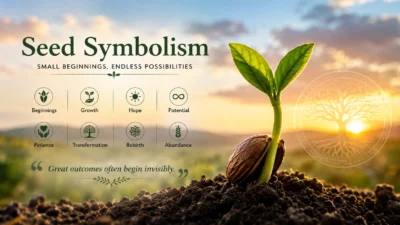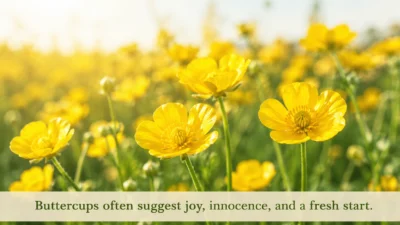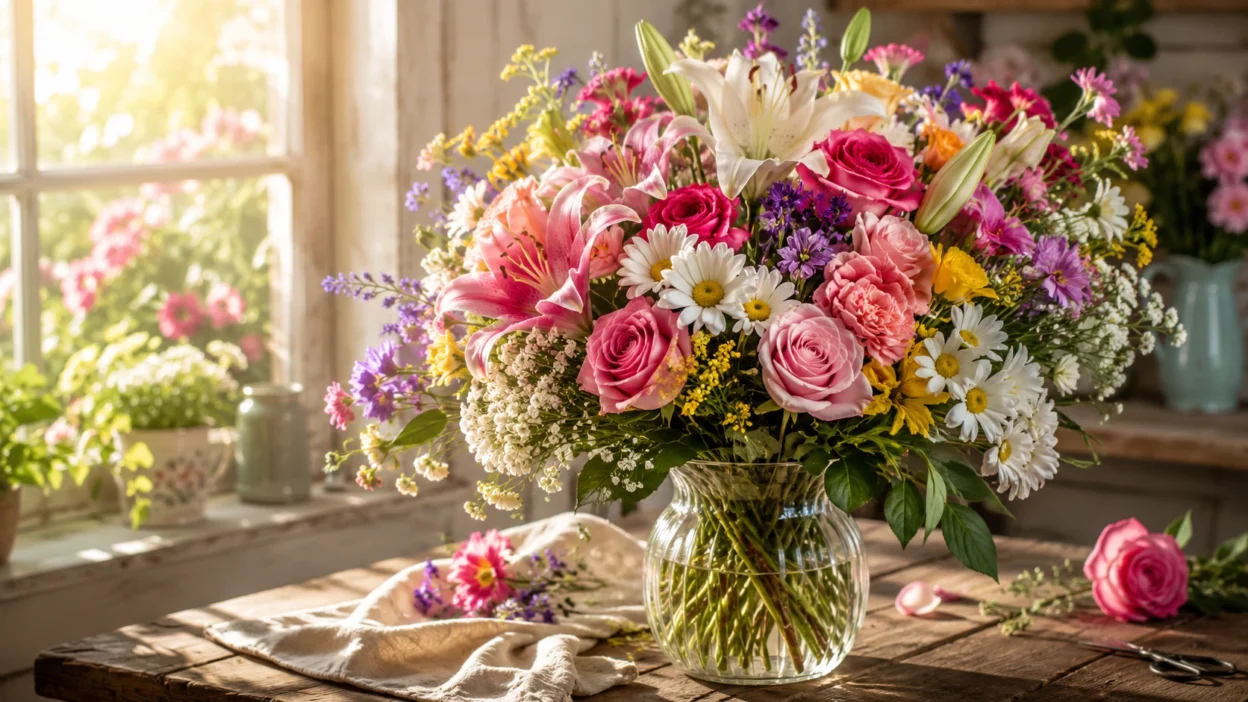
Flower Symbolism reveals how symbolic meanings grow through spiritual traditions, cultures, religions, dreams, and art, where every flower becomes a timeless image of beauty and meaning. Its gentle fragrance and natural life cycle help people from many belief systems symbolize hope in unique ways. From visiting botanical gardens and local flower shows, I have noticed that even delicate blooms can create a powerful memory that stays with us long after we leave.
The journey of flowers, from blooming to wilting, reflects growth, renewal, love, purity, transformation, and impermanence. This natural process reminds us that every stage of life has value. Across many traditions, this change emerges as a sign of spiritual awakening, showing how personal change becomes possible through patience and care.
Watching a garden through the seasons also reflects the rhythms of life and encourages honest emotional expression. Every blossom offers a quiet lesson that beauty is not limited to perfect moments, because change makes life more meaningful across generations and everyday experiences.
Quick Answer
In the USA, Flower Symbolism usually points to love, sympathy, celebration, and remembrance. It also changes with color, flower type, and context.
Across other cultures, flowers can also mean purity, renewal, devotion, and spiritual awakening.
TL;DR
- Flowers signal love, sympathy, celebration, and remembrance.
- Color changes the message fast.
- Ancient cultures linked blooms to gods, seasons, and life cycles.
- In the USA, flowers shape gifts, weddings, funerals, and decor.
- Modern tattoos and posts use flowers for identity and mood.
What Flower Symbolism Means Today
Flowers work like a visual language. People often understand the message before they think about it, because the flower itself carries years of shared meaning.
Today, flower symbolism is mostly about feeling. It can speak of romance, comfort, gratitude, beauty, or new beginnings. However, the same bloom can also feel private, since people connect flowers to memory and personal experience.
A shared language of color and bloom
A flower rarely speaks alone. Its color, type, freshness, and arrangement all shape what it seems to say.
Why people read flowers so closely
Flowers are temporary, delicate, and alive. That makes them feel honest, which is why people trust them to carry important messages.
How Flowers Appear and Shape Meaning
The look of a flower matters as much as its name. Color, petal shape, size, fragrance, and even where it grows all affect meaning.
For a USA reader, this matters because flower gifts are often chosen quickly. People may not know the full history, but they still react to the visual cues.
Color, petal count, season, and setting
Bright colors can feel joyful or bold. Soft colors often feel gentle, tender, or reflective.
Fresh bouquets versus wild blooms
A polished bouquet can suggest ceremony or care. In contrast, a wildflower may suggest freedom, simplicity, or natural beauty.
Ancient Roots of Flower Symbolism
Flower symbolism did not begin in modern gift shops. It goes back to early gardens, sacred offerings, and ancient ideas about life and death.
Long before modern American customs, flowers were linked to gods, seasons, fertility, and the cycle of renewal. Because blooms rise, open, and fade, people saw them as a picture of human life.
Early gardens and sacred offerings
In ancient communities, flowers were placed in rituals, temples, and burial spaces. They honored the divine and softened moments of transition.
Classical myths and courtly traditions
Greek and Roman stories gave many flowers added meaning. Later, European court culture turned blooms into signs of status, love, and restraint.
Flower Symbolism in the USA
In the United States, flowers have a very practical symbolic life. They are used to comfort, celebrate, and mark milestones, so they often feel deeply personal.
American flower meaning is shaped by family habits, religion, school events, holidays, and popular culture. As a result, a bouquet can feel both ordinary and emotionally loaded.
Gifts, funerals, weddings, and everyday life
Flowers are common at weddings because they suggest beauty and blessing. They are also common at funerals because they offer care without needing many words.
National habits and cultural memory
Many Americans associate flowers with Mother’s Day, Valentine’s Day, graduations, hospital visits, and apologies. These repeated uses make flower symbolism feel familiar and dependable.
| Context | Meaning in the USA | Common Associations | Notes |
| Weddings | Love, joy, and commitment | Roses, peonies, white blooms | Often chosen for beauty and ceremony |
| Funerals | Sympathy and remembrance | Lilies, chrysanthemums, white flowers | Usually calm, respectful, and quiet |
| Valentine’s Day | Romance and desire | Red roses, pink bouquets | Strong gift tradition in the USA |
| Mother’s Day | Gratitude and warmth | Carnations, tulips, mixed bouquets | Often tied to family appreciation |
| Graduations | Pride and new beginnings | Bright seasonal flowers | Signals celebration and forward motion |
| Home decor | Freshness and comfort | Sunflowers, orchids, wildflowers | Adds mood, color, and personality |
Color Meanings in Flower Symbolism
Color is one of the fastest ways flowers communicate. In the USA, people often notice color first, even before they notice the flower type.
This section matters because color meanings can shift the message of a gift or display. A red bloom can feel passionate, while a white one may feel calm or memorial.
Red, white, yellow, pink, and purple
Red often suggests love, energy, or strong emotion. White usually feels pure, peaceful, or respectful.
Table of common color meanings
| Color | Common Meaning in the USA | Usual Flower Examples | Notes |
| Red | Love, passion, strength | Roses, tulips | Often used in romantic settings |
| White | Purity, peace, sympathy | Lilies, roses, orchids | Common in weddings and memorials |
| Yellow | Joy, friendship, optimism | Sunflowers, roses, daffodils | Often feels cheerful and open |
| Pink | Affection, grace, sweetness | Peonies, carnations, roses | Popular for gentle, warm messages |
| Purple | Admiration, dignity, mystery | Irises, orchids, lilacs | Can feel elegant or reflective |
Flowers in Religion and Spiritual Traditions
Flowers have long appeared in spiritual life. They are used in offerings, prayer spaces, seasonal rites, and moments of renewal.
For USA readers, this matters because religious flower use is still common in churches, memorials, and family traditions. At the same time, many people use flowers in a spiritual way without following one strict religion.
Respectful cross-cultural overview
In some traditions, flowers represent purity, devotion, or the soul’s journey. In others, they mark sacred time, blessing, or the beauty of creation.
Offerings, purity, and renewal
Flowers are often chosen because they are beautiful but brief. That brief life makes them a strong sign of humility, gratitude, and renewal.
Emotional and Psychological Meanings
Flowers affect people quickly. Their color, scent, and softness can calm the mind or lift the mood.
That is why flower symbolism often feels emotional before it feels intellectual. People do not just see flowers; they feel something from them.
Comfort, hope, love, and remembrance
Flowers can soften grief during loss. They can also express hope, affection, or quiet support when words feel too blunt.
What flowers say without words
• A bouquet can apologize gently.
• A single stem can feel intimate.
• A bright arrangement can signal celebration.
• A wilted bloom can suggest loss or passing time.
• Fresh flowers often create a sense of care.
Modern Usage in Tattoos, Decor, and Social Media
Flowers have stayed popular because they work in many settings. They can be classic, trendy, soft, bold, or deeply personal.
In the USA, people use flower imagery to express identity. A tattoo, post, or room decoration can all carry a flower’s meaning in a modern way.
Tattoos and personal identity
Flower tattoos often stand for growth, memory, resilience, or beauty. However, the meaning can also be private, tied to a person, place, or loved one.
Home decor, branding, and digital culture
Flowers appear in wall art, table settings, packaging, and profile images. They help create a mood that feels inviting, calm, feminine, romantic, or natural.
Flowers in Holidays and Life Events
Flowers are strongly tied to life events in the USA. They help people celebrate, comfort, honor, and remember.
Because these moments are repeated every year, flower symbolism becomes part of family tradition. A flower may bring back a person, place, or holiday instantly.
Weddings, funerals, graduations, and anniversaries
At weddings, flowers usually suggest joy and hope. At funerals, they often offer respect and sympathy.
Seasonal celebrations and memorial days
Flowers also appear in spring holidays, Mother’s Day, and memorial observances. In these settings, they often stand for renewal, gratitude, and remembrance.
Misunderstandings, Misuse, and Controversies
Flower symbolism seems simple, but it can still be misunderstood. The same flower may mean one thing in one family and something else in another.
That is why context matters so much. A gift that feels thoughtful in one situation can feel confusing in another.
When a flower means one thing to one person
A flower tied to a loved one may carry private meaning that others do not know. Also, regional habits can change what people expect from certain blooms.
When beauty hides harm
Sometimes flowers are used in ways that feel misleading or overly commercial. In those cases, the flower’s beauty may be real, but the message can feel shallow or forced.
How Meanings Have Shifted Over Time
Flower symbolism has changed as life has changed. Many flowers once linked to rare gardens or formal customs are now part of everyday life.
Today, people buy flowers more easily, share them online, and use them in personal style. However, the old meanings have not disappeared; they now live beside newer ones.
Read More: Leaf Symbolism: What Leaves Mean in Life and Culture
From rarity to mass gifting
In earlier centuries, flowers could feel special because they were harder to get. Now they are widely available, so meaning depends more on intent than scarcity.
Why some meanings stay, and others fade
Love, grief, and renewal remain strong because they are universal human experiences. Other meanings fade when the culture around them changes.
FAQs
1. What does flower symbolism mean?
Flower symbolism is the use of flowers to express ideas, feelings, and values. Different flowers can represent love, hope, purity, growth, remembrance, or new beginnings depending on the culture and context.
2. Why are flowers important in different cultures?
Flowers have been part of traditions, celebrations, religious practices, and art for centuries. Many cultures use them to share emotions, honor important events, and express beliefs without words.
3. Do flowers have spiritual meanings?
Yes. Many people connect flowers with spiritual growth, renewal, inner peace, and transformation. Their life cycle, from blooming to fading, often reminds people of life’s changing seasons.
4. Can the meaning of a flower change?
Yes. A flower’s meaning can vary between cultures, religions, and personal experiences. The same flower may symbolize love in one tradition and remembrance or hope in another.
5. Why is flower symbolism still popular today?
Flower symbolism remains meaningful because people continue to use flowers in weddings, memorials, celebrations, gifts, tattoos, artwork, and home décor. Their timeless beauty makes them a simple yet powerful way to communicate emotions.
Conclusion
Flower symbolism continues to inspire people because it connects nature with human emotions and experiences. Whether a flower represents love, hope, renewal, purity, or personal growth, its message remains meaningful across generations. By understanding these symbolic meanings, we can appreciate flowers not only for their beauty but also for the deeper stories and emotions they represent.