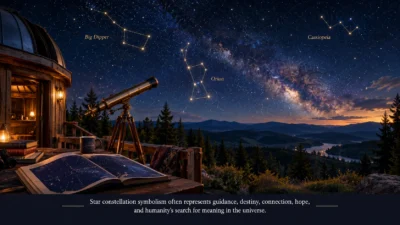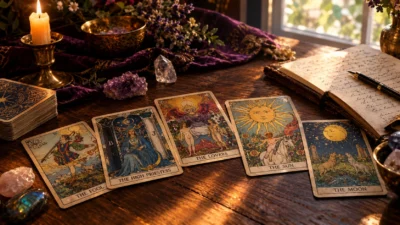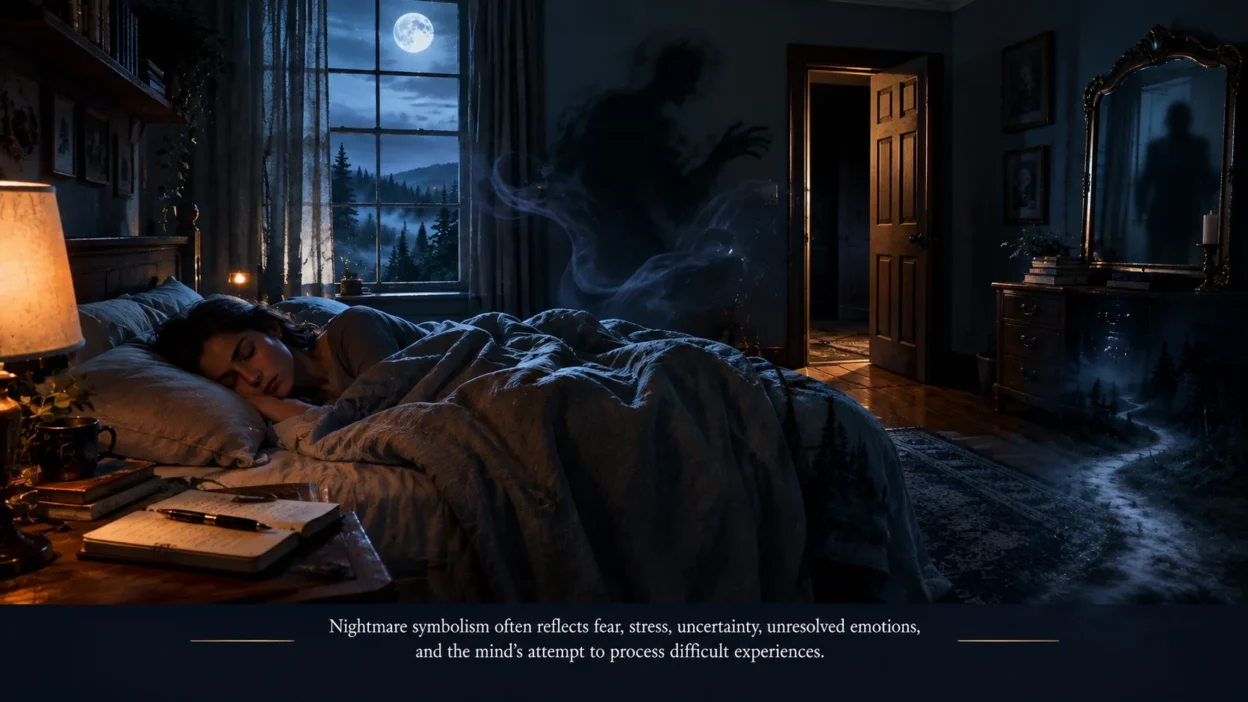
Nightmares can feel so real that their emotional effects continue long after you wake up. A dark hallway, a falling sensation, or a threatening figure may stay in your thoughts throughout the day. These experiences often lead people to wonder whether their dreams carry a deeper message.
Nightmare symbolism explores the possible meanings behind frightening dreams and the images that appear within them. In the United States, people often connect nightmares with stress, personal challenges, popular culture, spiritual beliefs, and the mysteries of the subconscious mind. However, a frightening dream doesn’t automatically predict the future or reveal a hidden truth.
Understanding these dreams requires looking beyond fear alone. Their meaning may depend on your experiences, emotions, cultural background, and the details of the dream itself. By exploring their history and common interpretations, you can better understand why certain images feel powerful and what they might represent in your life.
Quick Answer
In the United States, nightmare symbolism commonly represents fear, anxiety, uncertainty, emotional conflict, and concerns about losing control. Across different cultures, nightmares may also be associated with spiritual warnings, supernatural encounters, or personal transformation. However, dream symbols have no single universal meaning, and a nightmare doesn’t necessarily predict an event.
TL;DR
- Nightmares often symbolize fear, stress, vulnerability, or unresolved concerns.
- Ancient cultures sometimes connected frightening dreams with spirits, gods, or warnings.
- American media frequently portrays nightmares as symbols of danger and inner conflict.
- Falling, chasing, darkness, and being trapped are common frightening dream themes.
- Spiritual interpretations vary across cultures, religions, and individual beliefs.
- Modern dream interpretation focuses on personal experiences rather than fixed meanings.
1. What Is Nightmare Symbolism?
Nightmare symbolism examines the images, situations, and emotions that make frightening dreams feel meaningful. A nightmare might involve being chased, losing someone you love, facing a mysterious creature, or finding yourself trapped somewhere unfamiliar. These scenes can reflect personal concerns, but their significance depends on the dreamer’s circumstances.
Unlike ordinary dreams, nightmares often produce intense fear, helplessness, sadness, or confusion. Sometimes, the frightening feeling remains even when you cannot remember the entire dream.
Common Symbols Found in Nightmares
Certain images appear frequently in frightening dreams, although their meanings aren’t universal.
- Darkness: Uncertainty, hidden concerns, or fear of the unknown.
- Falling: Instability, insecurity, or a perceived loss of control.
- Being chased: Avoidance, pressure, or an uncomfortable situation.
- Trapped spaces: Restriction, helplessness, or feeling unable to move forward.
- Threatening figures: Fear, conflict, vulnerability, or unfamiliar parts of yourself.
- Broken objects: Disappointment, change, or concerns about something important.
These interpretations provide starting points rather than final answers. For example, darkness might represent fear for one person and peaceful solitude for another.
Why Nightmares Feel So Powerful
During a nightmare, the brain can produce intense emotional experiences without the immediate presence of real danger. As a result, your body may respond with a racing heartbeat, sweating, or sudden awakening.
Moreover, frightening images can connect with memories and emotions that already matter to you. This combination helps explain why a seemingly ordinary object can become terrifying in a dream.
2. Historical Origins of Nightmare Symbolism
Nightmares have fascinated people for thousands of years. Before modern explanations of sleep existed, communities often interpreted frightening dreams through religious traditions, folklore, and beliefs about unseen forces.
However, interpretations changed as societies developed new ideas about the mind, the body, and human experience.
Ancient Beliefs About Frightening Dreams
In several ancient civilizations, dreams were considered possible channels of communication with divine or supernatural forces. Some people viewed frightening dreams as warnings, while others sought guidance from religious specialists or dream interpreters.
Ancient Mesopotamian texts include dream omens and references to disturbing dream experiences. In ancient Egypt, dreams also appeared in religious and healing traditions. Their interpretations depended on the circumstances and beliefs of the time.
Greek and Roman writers explored dreams through both supernatural and natural explanations. Some connected dreams with divine messages, while others considered bodily conditions and everyday experiences.
The Medieval Period and Supernatural Fears
During medieval times in Europe, frightening nighttime experiences sometimes became associated with demons, evil spirits, or supernatural attacks. Folklore described mysterious beings that supposedly disturbed sleepers or caused oppressive sensations at night.
One historical example is the mare, a supernatural figure associated with the origin of the English word nightmare. The older term referred to a troubling nighttime presence rather than simply a frightening dream.
These beliefs shaped stories about haunted houses, shadowy visitors, and unseen forces. Nevertheless, traditions differed widely, and not everyone interpreted nightmares in the same way.
From Folklore to Modern Psychology
Over time, medical and psychological approaches offered different explanations for disturbing dreams. In the late nineteenth and early twentieth centuries, writers such as Sigmund Freud explored possible connections between dreams, emotions, and unconscious mental activity.
Later approaches examined sleep, memory, stress, and emotional processing. Today, researchers recognize that nightmares can have several contributing factors, including stress, frightening experiences, sleep disruption, and certain medications.
Consequently, modern interpretations often combine personal reflection with an understanding of sleep rather than relying exclusively on supernatural explanations.
Nightmare Symbolism in American Culture
In the United States, nightmares occupy a space between personal experience, entertainment, folklore, and psychological understanding. American movies, books, television programs, and Halloween traditions have helped shape how people imagine frightening dreams.
A nightmare may represent an individual’s private worries, but it can also reflect familiar cultural fears about danger, failure, isolation, and uncertainty.
Movies, Television, and Popular Stories
American horror films frequently use nightmares to explore fear and hidden conflict. Dark hallways, abandoned buildings, distorted reflections, and threatening figures create a sense that something familiar has become unsafe.
These images influence how audiences describe their own dreams. Someone might call an exhausting workday a nightmare or describe a difficult experience as something straight out of a horror movie.
Popular culture also turns nightmares into metaphors for real-life problems. A financial setback, an overwhelming deadline, or a painful relationship can feel nightmarish without involving literal dream imagery.
Halloween and American Folklore
Halloween provides a particularly visible setting for nightmare-related symbols. Ghosts, monsters, skeletons, haunted houses, and eerie shadows turn fear into a shared cultural experience.
However, Halloween imagery doesn’t always communicate genuine danger. Many Americans use frightening decorations, costumes, and fictional monsters for entertainment, humor, or creative expression.
This distinction matters because the same image can have very different meanings. A monster in a horror movie might represent danger, while a friendly cartoon monster might symbolize playful imagination.
Common American Associations
- Haunted houses: Hidden fears, unsettling memories, and the unknown.
- Dark roads: Uncertainty about decisions or the future.
- School or workplace nightmares: Pressure, performance concerns, or fear of failure.
- Monsters: Threats, personal struggles, or imagined dangers.
- Natural disasters: Overwhelming change or a sense of instability.
These associations reflect familiar American experiences, but they aren’t limited to the United States.
4. Spiritual Meaning of Nightmares
Nightmares can carry spiritual significance for people who understand dreams through faith, religious teachings, or personal spiritual practices. Some interpret them as invitations to reflect, pray, seek reassurance, or reconsider their direction.
Others view nightmares as ordinary sleep experiences without spiritual meaning. Both perspectives exist within American communities, where religious and secular beliefs often overlap.
Nightmares in Religious Traditions
In some Christian traditions, dreams have been understood as possible ways of receiving divine guidance. However, frightening dreams aren’t automatically considered messages from God, and interpretations vary among individuals and denominations.
In Islamic traditions, teachings distinguish among different kinds of dreams, including pleasant dreams, disturbing dreams, and dreams connected with a person’s thoughts or experiences. Specific responses to distressing dreams may be guided by religious teachings and personal faith.
Other spiritual traditions have their own approaches to dreams, protection, and frightening nighttime experiences. These beliefs should be understood within their particular cultural settings rather than treated as interchangeable.
Nightmares as Personal Reflection
Some people interpret a nightmare as a prompt to examine feelings they have overlooked. For instance, dreaming about a locked door might encourage someone to consider whether they feel restricted in an important relationship or decision.
Nevertheless, this interpretation comes from personal reflection, not a universal spiritual rule. A locked door can mean something entirely different depending on the dreamer’s memories and circumstances.
Spiritual reflection may offer comfort or direction, but a nightmare alone doesn’t establish that a supernatural event has occurred.
Psychological Meaning of Nightmares
From a psychological perspective, nightmares may be connected with emotions, memories, stress, and sleep experiences. Their content can sometimes reflect concerns that feel difficult to manage during waking life.
However, there isn’t a reliable dictionary that assigns one psychological meaning to every dream image. Understanding the context matters more than matching a symbol to a fixed definition.
Fear, Anxiety, and Loss of Control
A recurring nightmare about being chased might occur during a period of pressure or uncertainty. The dream could reflect a feeling of being overwhelmed, although it doesn’t necessarily reveal what caused that feeling.
Similarly, dreams about failing an exam may appear when someone worries about meeting expectations. Even adults who left school years ago can experience these dreams during stressful periods.
Nightmares can also occur without an obvious emotional trigger. Sleep changes, illness, medications, frightening media, and other factors may contribute.
Memory and Difficult Experiences
Disturbing dreams sometimes involve memories or themes connected with difficult experiences. For people who have experienced trauma, nightmares may repeat aspects of the event or recreate related feelings of danger.
However, not every frightening dream indicates trauma or a hidden memory. Dream content alone cannot establish that something happened in the past.
When nightmares regularly disrupt sleep or cause significant distress, discussing them with a qualified healthcare professional may help identify contributing factors and possible support.
What Dream Emotions Can Tell You
The emotion you experience during a nightmare may be more useful than any individual object.
- Fear may point toward a perceived threat or uncertainty.
- Shame may reflect concerns about judgment or acceptance.
- Helplessness may connect with situations that feel difficult to change.
- Grief may reflect loss, longing, or emotional attachment.
- Confusion may accompany transitions or unresolved decisions.
These are possibilities, not diagnoses. Your own experiences provide the context needed to interpret them thoughtfully.
Common Nightmare Symbols and Their Meanings
Certain nightmare themes are widely recognized in American dream discussions. They can provide useful prompts for reflection, especially when you consider what was happening in your life around the time of the dream.
The following table summarizes common interpretations without suggesting that any symbol has one fixed meaning.
| Nightmare Symbol | Possible Meaning in the USA | Common Associations | Important Note |
| Being chased | Pressure or avoidance | Fear, urgency, conflict | The pursuer’s identity may matter to you. |
| Falling | Instability or insecurity | Change, vulnerability, uncertainty | Falling dreams don’t prove you are losing control. |
| Losing teeth | Concerns about appearance or change | Embarrassment, communication, aging | No universal interpretation has been established. |
| Death | Endings or fear of loss | Grief, transition, separation | It doesn’t predict someone’s death. |
| Being trapped | Feeling restricted | Helplessness, frustration, limitation | Consider your current circumstances. |
| Dark figures | Fear of the unknown | Mystery, threat, uncertainty | Such images don’t prove a supernatural presence. |
Why the Same Symbol Can Mean Different Things
Imagine two people dreaming about a flooded house. One person recently experienced severe weather, while another associates water with emotional overwhelm.
Although their dreams share an image, the personal associations may differ considerably. For this reason, interpretation should begin with the dreamer’s feelings and experiences.
A helpful question is: What did this image mean to me during the dream, and what does it remind me of now?
Nightmares About Being Chased, Falling, or Trapped
These three themes are common subjects of dream interpretation because they create strong feelings of vulnerability. They also translate easily into everyday language, where people describe stressful situations as being chased by deadlines or trapped by responsibilities.
However, the dream’s setting, characters, and emotional tone can change its possible significance.
Being Chased
A chase nightmare may reflect pressure, avoidance, or fear of confrontation. The person or creature following you might resemble someone you know, an unfamiliar threat, or no recognizable figure at all.
Instead of assuming the pursuer represents a specific person, consider whether something currently feels difficult to face. The dream may also have no clear connection to a waking problem.
Falling From a Height
Falling dreams can create a sudden sense of danger or helplessness. Some people associate them with uncertainty, instability, or worries about making mistakes.
Yet falling is also a physical sensation that can occur around the transition into sleep. A sudden muscle jerk or related sleep experience doesn’t necessarily carry symbolic meaning.
Being Unable to Escape
Dreams about locked rooms, narrow corridors, or blocked exits often feel frustrating. Symbolically, they may invite reflection on situations where choices seem limited.
For example, someone facing a major life decision might dream about searching for an exit. Still, the interpretation should remain open rather than becoming a definite explanation.
Nightmares About Death, Monsters, and Dark Figures
Nightmares involving death or threatening beings can feel especially disturbing. Their emotional intensity often encourages people to search for deeper meanings, particularly when the images involve loved ones or familiar places.
However, frightening content shouldn’t automatically be treated as a prediction or a supernatural warning.
Death in Nightmares
Death can symbolize many ideas in literature and personal reflection, including endings, separation, change, and fear of losing someone. A dream about death may arise during a transition, after a loss, or during an ordinary period of worry.
Nevertheless, there is no dependable evidence that a death-related nightmare predicts an actual death. Such dreams should not be treated as forecasts.
Monsters and Shadowy Figures
Monsters often appear in stories as representations of danger, disorder, or the unfamiliar. In nightmares, they may reflect fear itself or imagery absorbed from books, games, movies, and other experiences.
Some people also connect shadowy figures with spiritual beliefs or folklore. However, seeing a figure in a dream doesn’t prove that an outside presence visited the sleeper.
Why Familiar Places Become Frightening
A childhood home, school, or workplace can feel threatening in a nightmare. The contrast between a familiar setting and an unusual danger makes the experience especially unsettling.
That contrast might connect with memories, current concerns, or nothing immediately identifiable. The setting’s personal meaning is usually more informative than a universal symbol list.
Nightmare Symbolism in Different Cultures
Although frightening dreams are a widespread human experience, cultures interpret them through different traditions. Some emphasize spiritual encounters, others focus on relationships and community, and others favor medical or psychological explanations.
These approaches are not uniform within any culture. Beliefs vary by family, region, religion, generation, and individual experience.
European Folklore
European folklore contains stories about supernatural nighttime visitors, witches, spirits, and creatures believed to disturb sleepers. These stories helped explain frightening experiences before modern sleep science became widely available.
The historical figure of the mare is especially relevant to the English word nightmare. Its associations with oppressive nighttime experiences influenced later stories about supernatural attacks during sleep.
Asian Traditions
Across Asia, dream interpretation has taken many forms. Some historical traditions connect dreams with spiritual insight, moral reflection, family relationships, or changing circumstances.
However, Asia contains many distinct cultures and religious traditions. It would be misleading to assign one meaning to nightmares across the entire continent.
Indigenous and Other Spiritual Worldviews
Some Indigenous communities maintain distinctive understandings of dreams within their own cultural and spiritual traditions. These perspectives should be approached through community-specific sources rather than broad generalizations.
Likewise, African, Middle Eastern, and other cultural traditions include varied beliefs about frightening dreams and spiritual protection. Respectful interpretation recognizes these differences without treating folklore as scientific proof.
Emotional Associations and the Meaning of Recurring Nightmares
A nightmare’s emotional effect can sometimes matter more than its visual details. Fear, sadness, shame, and helplessness may remain after the dream itself becomes difficult to remember.
Recurring nightmares can be particularly frustrating because the same themes seem to return repeatedly. However, repetition doesn’t automatically mean that a dream contains a hidden message.
What Recurring Nightmares May Reflect
Repeated nightmares may occur during ongoing stress, after frightening experiences, or alongside sleep difficulties. Sometimes, the dream repeats a recognizable situation; in other cases, only the feeling remains consistent.
For example, you might dream about arriving somewhere too late, even though the location changes each time. The repeated urgency may be worth reflecting on, but it doesn’t prove that one specific concern is responsible.
When the Emotional Pattern Matters
Consider the feelings that remain after you wake up. Do you feel threatened, embarrassed, isolated, or unable to protect someone?
Writing down these reactions can help you notice patterns without forcing an interpretation. Over time, you may discover a connection with daily pressures, or you may find that no obvious connection exists.
If recurring nightmares interfere with daily life, professional support can help you explore possible causes and approaches to improving sleep.
Modern Uses of Nightmare Symbolism
Today, nightmare imagery appears throughout American entertainment, personal expression, fashion, and online culture. Its meaning often depends on whether the context is serious, artistic, humorous, or deliberately frightening.
Modern uses also demonstrate how an old symbol can acquire new meanings without losing all its historical associations.
Tattoos and Personal Identity
Some people choose nightmare-inspired tattoos to express survival, fear, resilience, or an interest in dark art. Common designs include shadowy figures, broken clocks, haunted houses, distorted faces, and surreal dream scenes.
For one person, a frightening image may represent a difficult chapter they have overcome. For another, it may simply reflect a preference for horror aesthetics.
Social Media and Digital Expression
Online, the word nightmare often describes an overwhelming experience rather than an actual dream. People may use it when discussing stressful travel, difficult deadlines, unexpected problems, or unsettling news.
Dream journals and short videos also encourage people to share unusual or frightening dream experiences. However, popular interpretations shouldn’t be mistaken for established psychological facts.
Fashion, Art, and Home Decor
Nightmare imagery appears in gothic fashion, surrealist artwork, horror-themed decorations, and Halloween displays. Dark colors, distorted shapes, skeletal figures, and unnatural shadows can communicate mystery or unease.
Nevertheless, using these designs doesn’t necessarily indicate emotional distress or a belief in supernatural forces. Artistic choices often reflect creativity, entertainment, and personal taste.
Misunderstandings and Controversies About Nightmares
Nightmares invite interpretation because their images can feel unusually vivid. Unfortunately, this can encourage overly confident claims about their meaning or origin.
A balanced approach distinguishes personal beliefs from established evidence and recognizes that frightening dreams can have many explanations.
Do Nightmares Predict the Future?
Some traditions interpret particular dreams as warnings or signs. However, a nightmare by itself is not reliable evidence that a future event will happen.
A frightening dream about an accident, illness, or loss shouldn’t be treated as proof that such an event is coming. Dreams can draw on existing worries, memories, and familiar images without predicting future outcomes.
Are Nightmares Always Signs of Hidden Problems?
No. Nightmares may occur during stressful periods, but they can also arise for reasons that aren’t obvious.
Sleep disruption, illness, medication effects, and exposure to frightening material may contribute. A single nightmare doesn’t establish that someone has unresolved trauma, a mental health condition, or a serious personal problem.
When Interpretations Become Misleading
Online dream dictionaries sometimes present symbols as though every person shares the same emotional associations. Such claims can create unnecessary worry, especially when they link common dream images with death, betrayal, or disaster.
Instead, treat symbolic interpretations as possibilities. Avoid using them to judge other people, make major decisions, or draw conclusions about someone’s mental health.
How Nightmare Symbolism Has Changed Over Time
The meaning of frightening dreams has shifted alongside changes in religion, folklore, medicine, psychology, and entertainment. Earlier explanations often relied on supernatural beliefs, while modern discussions frequently include emotional and sleep-related factors.
However, older interpretations haven’t disappeared completely. Spiritual beliefs, folk stories, and psychological approaches continue to coexist in American life.
From Supernatural Threats to Personal Reflection
In some historical European traditions, nightmares were attributed to spirits or other supernatural forces. Later psychological approaches encouraged people to explore relationships between dreams, emotions, and personal experiences.
Today, a person might interpret a nightmare spiritually while another considers stress or sleep disruption. Neither interpretation should be imposed on someone who understands their experience differently.
Read More: Dream Symbolism: Meanings, History, and Spiritual Signs
The Influence of Modern Media
Horror movies and digital entertainment have expanded the range of images people encounter before sleep. Monsters, apocalyptic scenes, and surreal environments can influence the imagery that appears in dreams.
At the same time, social media spreads simplified explanations for common dream themes. Modern readers benefit from separating entertaining interpretations from claims supported by evidence.
What Has Remained Consistent?
Despite changing explanations, nightmares continue to express some of the most intense feelings people experience. Fear, vulnerability, uncertainty, and the desire for safety remain recognizable across different periods.
Their symbolism becomes most meaningful when interpreted with care. Historical context can enrich understanding, but personal experience gives each dream its individual character.
FAQs
What Does It Mean When You Have a Nightmare?
A nightmare may reflect stress, fear, difficult memories, or ordinary dream activity. Its meaning depends on your experiences and circumstances, and sometimes no clear explanation is available.
What Is the Spiritual Meaning of Nightmares?
Some spiritual traditions interpret nightmares as warnings, invitations to reflect, or experiences that call for prayer and reassurance. Others understand them as ordinary dreams, so spiritual meaning depends on personal beliefs and cultural context.
Do Nightmares Mean Something Bad Will Happen?
No reliable evidence shows that nightmares predict specific future events. A frightening dream may reflect existing worries, but it shouldn’t be treated as proof that something bad will happen.
Why Do I Keep Having the Same Nightmare?
Recurring nightmares can be associated with ongoing stress, difficult experiences, sleep disruption, or other factors. Repetition doesn’t automatically indicate a hidden message, although noticing patterns may help you understand your feelings.
What Does It Mean to Dream About Being Chased?
Being chased may symbolize pressure, avoidance, or fear in some interpretations. However, the dream could also reflect recent experiences, frightening media, or ordinary dream activity rather than one specific problem.
Are Nightmares a Sign of Anxiety?
Nightmares can occur during periods of anxiety, but having one doesn’t necessarily mean you have an anxiety disorder. If they repeatedly disturb your sleep or affect your daily life, consider discussing them with a qualified healthcare professional.
Conclusion
Nightmare symbolism offers a way to explore frightening dreams through history, culture, personal experience, and emotional reflection. In the United States, nightmares commonly represent fear, uncertainty, stress, vulnerability, and concerns about losing control. However, these meanings aren’t fixed, and the same dream can affect different people in very different ways. From ancient beliefs about supernatural visitors to modern discussions of memory and sleep, people have continually searched for explanations for their nighttime fears. Today, you can consider spiritual traditions, cultural stories, and psychological perspectives without assuming that every dream predicts the future or reveals a hidden truth. If a nightmare stays with you, take a moment to record what happened and how you felt. Consider whether anything in your waking life reminds you of those emotions, while leaving room for uncertainty. Sometimes, the most useful meaning comes not from the frightening image itself, but from what it encourages you to notice about your own experiences.