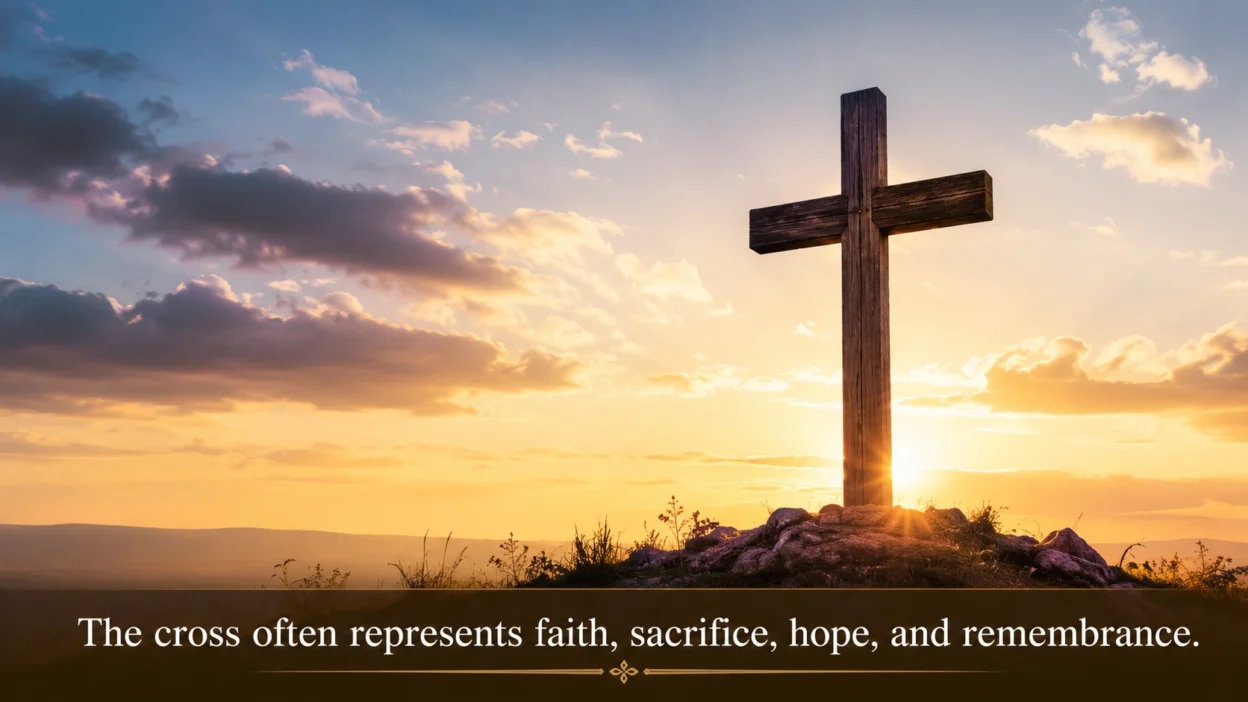
Cross Symbolism reveals how one of the most powerful and widely recognized symbols in human history continues to inspire faith, balance, and hope every day.
Across many religions, cultures, art, dreams, spiritual traditions, and belief systems, the cross shape holds deep symbolic meanings. Created by intersecting vertical and horizontal lines, it represents faith, sacrifice, balance, transformation, and redemption. From my experience studying cultural symbols, I have noticed that people often connect its religious significance with personal moments of hope and strength.
The cross symbolizes the intersection of the physical and spiritual worlds, reminding us they are closely linked. It expresses connection between everyday life and deeper purpose while reflecting suffering, healing, and renewal. In many stories and traditions, the symbol teaches that real growth often emerges through challenge, making it meaningful for those seeking resilience and inner direction.
Quick Answer
Cross symbolism most often stands for faith, sacrifice, and hope in the USA. It also can signal remembrance, devotion, and spiritual strength, depending on the setting.
TL;DR
• The cross is most strongly linked to Christianity in America.
• It can also mean sacrifice, hope, protection, and memory.
• Ancient cultures used cross shapes long before Christianity.
• In the USA, it appears in worship, graves, jewelry, and tattoos.
• Its meaning can change depending on context and history.
• Some cross uses are sacred; others are hateful or controversial.
What a Cross Looks Like and Why It Matters
This section explains the basic shape and why people notice it so quickly. In the United States, the cross is not just a design. It is a familiar sign that often carries deep feeling.
The Basic Shape
At its simplest, a cross is two lines that intersect. The most familiar Christian form has a longer vertical line and a shorter horizontal line.
That shape can appear in wood, stone, metal, fabric, ink, or light. Because it is so simple, people use it in many places without needing words.
• Tall church crosses often suggest worship and public faith.
• Small pendants often signal personal devotion or comfort.
• Grave markers can suggest remembrance and eternal hope.
• Decorative crosses may express style, heritage, or identity.
Why Shape Changes Meaning
The exact style matters. A plain Latin cross, a crucifix, a Celtic cross, and a cross with ornate details all feel different.
In American life, the shape often tells viewers whether the symbol feels sacred, memorial, cultural, or decorative. That is why context is so important.
Historical Roots Before Christianity
This section looks at older cross-like symbols that existed long before the Christian era. For USA readers, that background helps explain why the cross can feel both ancient and familiar.
Ancient Cross Forms
Many early societies used intersecting lines or cross-like shapes. Some linked them to the sun, the four directions, life cycles, or the meeting of heaven and earth.
These earlier forms were not the same as the Christian cross. Still, they show that humans have long used the shape to express order, balance, and sacred meaning.
The Cross in Early Christianity
Christian meaning developed later, after the crucifixion of Jesus became central to the faith. Over time, the cross came to represent sacrifice, redemption, and hope through suffering.
By the early centuries of Christianity, the cross moved from shame to honor. That shift gave it enormous emotional power, which still shapes how Americans read it today.
What Cross Symbolism Means in the USA
This is the core section for American readers. In the United States, the cross is most often read through Christianity, but it also appears in national memory, daily life, and public debate.
Faith, Salvation, and Identity
For many Americans, the cross means Christian belief. It can show trust in God, devotion to Jesus, or membership in a church community.
It may also function as a quiet identity marker. Some people wear it because it says who they are without needing explanation.
Hope, Sacrifice, and Comfort
In the USA, the cross often stands for comfort during grief. Many people see it as a reminder that suffering does not have the final word.
It can also symbolize sacrifice in a broad sense. Because of that, it appears often in funeral settings, memorial art, and hospital chapels.
Memorial and Civic Use
Crosses appear in cemeteries, veterans’ memorials, and roadside remembrance sites. In those settings, the symbol often carries grief, respect, and lasting memory.
It can also appear in public landmarks and holiday displays. However, that use can become sensitive when people disagree about religious expression in civic spaces.
Common USA Associations
| Context | Meaning in the USA | Common Associations | Notes |
| Church steeple | Faith and worship | Christianity, community, prayer | Usually read as sacred |
| Necklace or ring | Personal devotion | Belief, protection, identity | Often worn daily |
| Grave marker | Remembrance and hope | Loss, burial, eternal life | Common in cemeteries |
| Tattoo | Commitment or resilience | Faith, survival, family | Meaning depends on wearer |
| Holiday decor | Religious celebration | Easter, Christmas, tradition | Can be festive or reverent |
Cross Symbolism in Christian Tradition
This section focuses on the symbol’s religious center. In the United States, Christian tradition is still the main lens through which many people understand the cross.
Sacrifice and Redemption
The cross is closely tied to the story of Jesus’ death and resurrection. Because of that, it represents sacrifice that leads to hope.
For many believers, the symbol is not only about loss. It also points to forgiveness, mercy, and new life.
The Crucifix and the Plain Cross
A crucifix shows the body of Christ on the cross. A plain cross usually does not.
That difference matters. A crucifix emphasizes suffering and sacrifice, while a plain cross often feels more open, symbolic, and broadly used across denominations.
Crosses in Other Cultures and Spiritual Meanings
This section keeps the view respectful and broader. The cross shape has appeared in many cultures, though the meanings are not always religious in the same way.
Four Directions and Balance
In some traditions, cross-like forms suggest the four directions, the seasons, or the balance of the world. This makes the shape feel like a map of life.
Others connect it to a meeting point, a crossroads, or a turning point. That idea still appears in modern speech when people say someone is “at a crossroads.”
Spiritual Overlap
Some spiritual readers see the cross as a sign of union between opposites. The vertical line can suggest heaven or spirit, while the horizontal line can suggest human life or the world around us.
That interpretation is not universal. Still, it helps explain why the shape feels so layered across cultures.
Emotional and Psychological Meanings
This section explains how the symbol feels, not just what it means. In the USA, people often respond to the cross with strong emotion, even when they do not say much.
Comfort, Protection, and Belonging
A cross can feel calming. It may remind someone of faith, family tradition, or a life shaped by prayer.
It can also signal protection. Many people carry it during illness, stress, travel, or grief because it feels grounding.
Strength Through Suffering
The cross also suggests endurance. It often speaks to the idea that pain can have meaning and that hardship can be faced with dignity.
Because of that, it resonates with people going through loss, illness, or major change. It says, in effect, that suffering is real, but not final.
Modern Uses in Daily Life
This section shows how the symbol lives in the present. In the United States, the cross is everywhere, from personal style to national holidays.
Jewelry, Tattoos, and Fashion
Cross necklaces are common in American life. Some people wear them for faith, while others wear them as family heritage or simple style.
Tattoos often use the cross to mark survival, devotion, or remembrance. Designs may be plain, ornate, floral, Celtic, or paired with names and dates.
Home Decor and Holidays
Crosses appear in homes as wall art, tabletop decor, or seasonal displays. They are especially common around Easter and Christmas.
In those settings, the symbol often blends faith with family tradition. It can feel both personal and shared.
Social Media and Pop Culture
People use cross imagery in profile pictures, posts, and memorial messages. It may appear in logos, album art, or scene design when creators want a serious or sacred mood.
However, the symbol can be used casually too. That shift can weaken its sacred meaning for some viewers.
Misunderstandings, Misuse, and Controversies
This section is important because the cross is not always used respectfully. In the USA, one of the strongest examples is the burning cross, which became associated with terror and white supremacy.
When the Cross Becomes a Hate Symbol
The Ku Klux Klan used burning crosses to intimidate and threaten Black communities and others. That history makes the image deeply painful and dangerous.
Because of that, a cross can never be judged by shape alone. The setting, the people using it, and the surrounding message all matter.
Public Display Debates
Crosses in government spaces, memorials, and public land sometimes lead to legal and cultural debate. Some people see such displays as tradition or history.
Others see them as exclusionary when placed in civic settings. These disputes usually turn on context, not just the symbol itself.
How the Meaning Has Changed Over Time
This section shows that symbols do not stay fixed. The cross has kept its core meaning in Christian life, but American culture has added layers over time.
From Shame to Hope
In early Christianity, the cross was tied to death and humiliation. Later, it became a sign of triumph, faith, and salvation.
That shift is still central today. The symbol carries both the pain of sacrifice and the hope that follows it.
From Sacred Sign to Broad Cultural Mark
In the USA, the cross now moves between sacred and everyday life. It can be deeply religious in one context and simply decorative in another.
That flexibility is part of its power. At the same time, it is why people sometimes disagree about what a cross “really” means.
Read More: Heart Symbolism: Meaning, History, and Modern Use
What Different Cross Styles Can Suggest
This section helps readers notice details. Small changes in design can shift the message in meaningful ways.
Common Style Differences
• Plain wooden crosses often feel humble and traditional.
• Ornate metal crosses can suggest ceremony and beauty.
• Celtic crosses may point to heritage and Christian history.
• Crosses with flowers can suggest mourning, life, or renewal.
Reading the Style Correctly
A single style does not have one fixed meaning. A church cross, a memorial cross, and a fashion cross can all tell different stories.
That is why readers should look at placement, material, and audience. Those clues often matter as much as the shape itself.
Why People Still Care About Cross Symbolism
This section ties the symbol to modern life. The cross still matters because it answers basic human questions about suffering, hope, and belonging.
It Speaks to Deep Human Needs
People want signs that help them make sense of loss. The cross does that for many Americans by linking pain to hope.
It also gives form to belief. Instead of staying abstract, faith becomes visible and wearable.
It Connects Past and Present
The cross reaches across centuries, yet it still feels current. That rare mix helps explain why it remains one of the most enduring symbols in the USA.
FAQs
1. What does cross symbolism mean?
Cross symbolism refers to the deeper meaning of the cross beyond its shape. It commonly represents faith, sacrifice, hope, balance, redemption, and the connection between the spiritual and physical aspects of life.
2. Is the cross only a religious symbol?
No. While the cross is strongly associated with Christianity, it has also appeared in ancient cultures, art, dreams, and spiritual traditions as a symbol of protection, balance, guidance, and transformation.
3. Why does the cross symbolize sacrifice?
The cross symbolizes sacrifice because it is closely connected with the idea of giving something valuable for a greater purpose. This meaning has made it a lasting symbol of love, service, and commitment.
4. What does the cross represent in dreams?
In dreams, the cross often represents personal growth, healing, faith, protection, or an important life decision. The meaning can vary depending on the dream’s context and the dreamer’s personal beliefs.
5. Why is the cross still important today?
The cross remains meaningful because it reminds many people of hope, resilience, compassion, and inner strength. It continues to appear in jewelry, art, memorials, architecture, and personal expressions of faith and identity.
Conclusion
Cross symbolism has remained meaningful across centuries because it speaks to universal human experiences such as faith, sacrifice, hope, balance, transformation, and redemption. Whether viewed through religion, history, art, or personal reflection, the cross continues to inspire people to face challenges with courage and to seek a deeper connection with both themselves and the world around them.