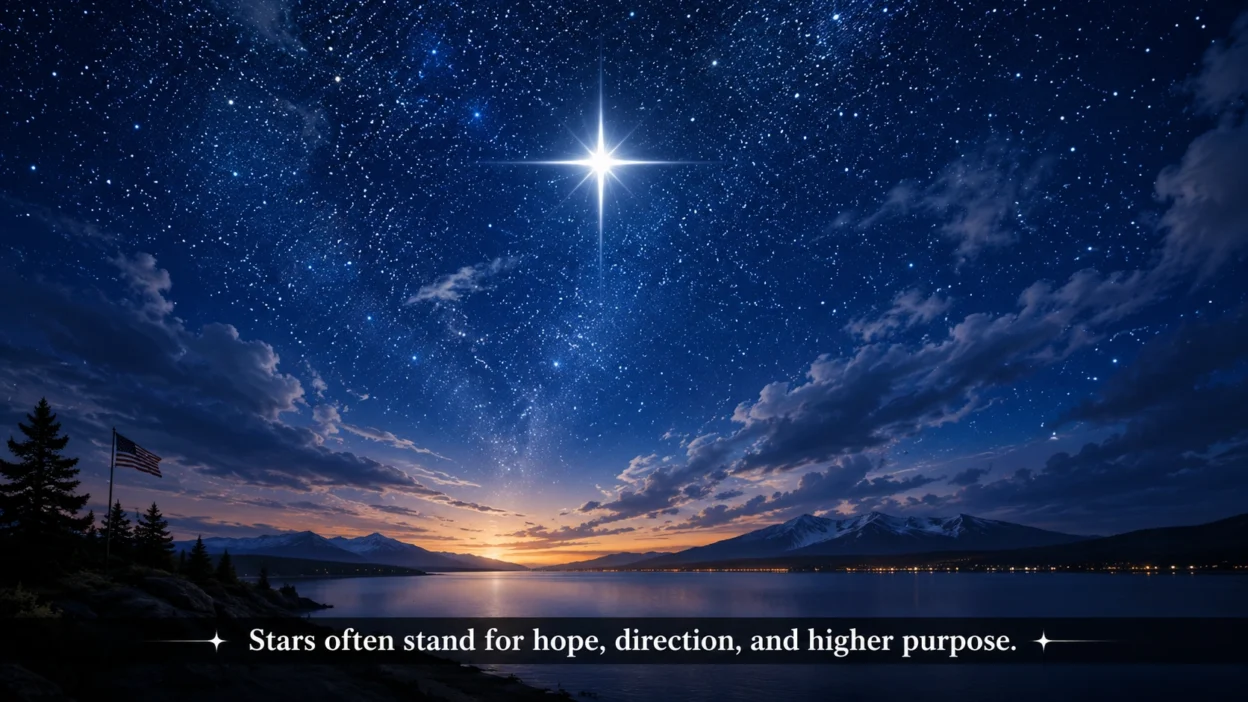
Star Symbolism reveals how stars inspire hope, guidance, and destiny, helping humanity find meaning beneath the night sky every day. Star symbolism has inspired humanity since ancient times, and its symbolic meanings have been shaped by spiritual traditions, cultures, religions, myths, dreams, and art. While looking at the stars in the night sky, I have often noticed how their brilliance and position create a sense of wonder. Across many belief systems, they symbolize hope, guidance, destiny, higher purpose, inspiration, and divine connection, bringing comfort whenever life feels uncertain.
The shining points of light stand against darkness, proving that even distant light can guide our path. Their permanence and constant presence remind people that strength and purpose can remain steady through change. From my own experience, watching the sky during quiet evenings has encouraged me to reflect on personal goals and appreciate how small moments can hold lasting meaning.
Many people believe the stars teach us that light endures through the darkest moments. This timeless idea has helped humanity find courage, trust in the future, keep moving forward with hope, and stay focused even when the destination feels distant.
Quick Answer
Star symbolism in the USA usually means hope, guidance, success, and high ideals. More broadly, stars can also stand for divinity, destiny, protection, and the desire to rise above ordinary life.
TL;DR
- Stars often symbolize hope, direction, and inspiration.
- In America, stars are tied to achievement and national identity.
- Ancient cultures used stars for calendars and navigation.
- Different star shapes can change the meaning.
- Tattoos and decor often use stars for ambition or remembrance.
- Some star symbols have religious or political meanings too.
What a Star Symbol Usually Looks Like
This section explains the visual side of the symbol. That matters because a star’s meaning often depends on its shape, number of points, and where it appears.
A star is usually drawn as a bright, pointed shape. It may have four, five, six, or eight points. Sometimes it is a simple sparkle, and sometimes it is a careful emblem on a flag or badge.
Common Visual Forms
• Five-point stars appear in flags, awards, and tattoos.
• Six-point stars often connect to religious or cultural traditions.
• Four-point stars can suggest sparkle, light, or a guiding flash.
• Eight-point stars often feel decorative, balanced, or ceremonial.
Why the Shape Matters
A star can mean something different when it is small and playful. It can mean something deeper when it is formal, sacred, or patriotic. Because of that, the setting changes the message as much as the shape does.
Ancient Roots of Star Symbolism
This section looks at where star meanings began. It helps explain why stars have stayed important for thousands of years.
Long before modern maps, people watched stars to understand the sky. They used them for seasons, farming, sailing, and storytelling. Because stars were steady while life changed, they became signs of order and direction.
Sky Watching and Early Meaning
In ancient societies, stars were not just lights. They were tools for timekeeping and navigation. People also connected them to gods, fate, and the afterlife.
From Myth to Meaning
Many older traditions saw stars as heavenly markers. Some linked them to heroes, ancestors, or divine messengers. Others used star patterns to explain the world in stories.
Star Symbolism in the USA
This section matters most for American readers. In the United States, stars are everywhere in public life, and that makes their meaning feel familiar.
Stars often suggest excellence, patriotism, and hope in the USA. They appear on the flag, on military insignia, on medals, and in school rewards. Because of that, many Americans read stars as signs of status or honor.
A Symbol of the Nation
The stars on the American flag stand for the states. That gives the symbol a strong connection to unity and identity. However, the same shape also appears in contexts far beyond politics.
Everyday American Meanings
In daily life, a star can mean:
• Top quality or outstanding performance
• Fame, celebrity, or public attention
• A dream worth chasing
• A sign of encouragement or praise
Common USA Settings for Star Symbols
| Context | Meaning in the USA | Common Associations | Notes |
| American flag | Unity and the states | Patriotism, citizenship | Strong national meaning |
| Awards and ratings | Excellence | Success, approval, achievement | Often used in entertainment and retail |
| Holiday decor | Joy and celebration | Christmas, winter, family traditions | Can feel religious or seasonal |
| Tattoos | Personal identity | Hope, remembrance, ambition | Meaning depends on design |
| School charts | Praise and progress | Good behavior, effort, rewards | Simple and child-friendly |
Stars in Flags, Badges, and Public Life
This section shows how stars work in official settings. In the USA, a star can feel formal, powerful, and even civic.
Stars in public life often stand for trust, rank, or service. They show up in badges, uniform symbols, and state emblems. Because of that, they can communicate authority without saying a word.
Stars as Public Signals
• A star can mark rank, service, or honor.
• It can show membership in a group or nation.
• It can also signal excellence in sports or entertainment.
• In public design, stars usually look clean and direct.
Why They Feel So Official
The star shape is easy to repeat and easy to recognize. That makes it useful for government, military, and civic design. It also helps the symbol stay readable from far away.
Cross-Cultural and Spiritual Meanings
This section gives a wider view. Stars mean different things across cultures, but many ideas overlap.
In many traditions, stars point upward. They can suggest divine light, guidance, destiny, or the soul. Because they sit far above us, they often feel larger than human life.
Religious and Spiritual Layers
In some faith traditions, stars are linked to revelation, sacred direction, or heavenly presence. In others, they mark important stories, holy nights, or protective signs. However, the exact meaning depends on the tradition and history behind it.
Shared Human Themes
Across cultures, stars often suggest:
• Guidance in dark times
• Hope after hardship
• Connection between earth and sky
• A sense of mystery and wonder
Emotional and Psychological Meaning
This section explains what stars do to people emotionally. That matters because symbols often work through feeling before they work through logic.
Stars often make people feel hopeful, uplifted, or inspired. They can also create calm, because the night sky feels wide and quiet. For many people, a star suggests distance, dreams, and the possibility of more.
What Stars Signal About Identity
A star can say someone is:
• Ambitious
• Optimistic
• Creative
• Reflective
• Proud of an achievement
Why People Connect With Them
Stars are easy to personalize. A person can use one star to honor a loved one, mark a milestone, or show a goal. As a result, the symbol feels both universal and deeply personal.
The Meaning of Different Star Points
This section helps decode the most common shapes. A star is not always just a star, and the points often change the message.
Different point counts can shift the tone of the symbol. Some look spiritual, some patriotic, and some decorative. Because of that, people often read the shape before they read the context.
Common Point Patterns
Five-Point Stars
These often suggest balance, classic style, and recognition. They are common in American culture and easy to spot.
Six-Point Stars
These often carry religious or historical meaning. In some settings, they are tied to sacred identity or heritage.
Eight-Point and Four-Point Stars
These often feel decorative, radiant, or ceremonial. They can suggest light, sparkle, or a compass-like sense of direction.
Star Symbolism in Fashion and Tattoos
This section covers one of the most popular modern uses. Stars are small, flexible, and easy to place, so they fit personal style well.
Many people choose stars for tattoos because the symbol is simple but layered. It can mean hope, loss, growth, or a major turning point. However, the same star can mean something different for each person.
Why People Choose Star Tattoos
• They work in small spaces.
• They can honor a memory or goal.
• They can mark a fresh start.
• They match many styles, from plain to detailed.
Fashion and Personal Style
Stars also appear in jewelry, clothing, nails, and accessories. In fashion, they often feel youthful, bold, or dreamy. At the same time, a single clean star can look elegant and minimal.
Star Symbols in Home Decor and Holidays
This section shows how stars move into everyday spaces. In the USA, they are common in seasonal decor and family traditions.
Stars often appear in holiday decorations, especially during winter. They can sit on trees, hang in windows, or appear in table settings. Because of that, they often blend warmth, hope, and celebration.
Common Decorative Uses
• Christmas tree toppers
• Rustic wall art
• Nursery themes
• Patriotic displays
• Night-sky bedroom decor
Why They Work So Well
The star is familiar, simple, and bright. It adds a sense of lift to a room without feeling heavy. It can also work in both religious and nonreligious spaces.
Stars in Media, Fame, and Social Life
This section looks at modern culture. Stars are not only symbols now; they are also part of how people talk online and in entertainment.
In American media, a “star” can mean a famous person or a top performer. That creates a strong link between the symbol and success. However, it can also make the symbol feel commercial or overused.
Popular Social Meanings
• A star can mean approval or praise.
• It can point to celebrity status.
• It can mark something as favorite or standout.
• It can suggest a spotlight or public attention.
Why It Feels Modern
The star works well in digital spaces because it is fast and easy to read. It is also flexible enough to mean good, impressive, or special. That makes it useful in posts, captions, and brand visuals.
Misunderstandings, Misuse, and Controversies
This section is important because symbols can be misunderstood. A star may look harmless, but context can change its meaning fast.
Most star symbols are positive or neutral. Still, some star designs carry political, religious, or group-specific meanings. That is why it helps to read the full design instead of guessing from the shape alone.
When a Star Means More Than It Seems
A star may be tied to a nation, a faith, or a cause. In some cases, it may also appear in extremist or hateful imagery when paired with other symbols. The symbol itself is not the problem; the full context is.
How to Read It Carefully
Look at the shape, color, placement, and nearby symbols. Also notice whether it appears in art, worship, fashion, or politics. Those details usually tell the real story.
Read More: Cross Symbolism: Meaning, History, and USA Uses
How Star Meaning Has Changed Over Time
This section connects the past to the present. Star symbolism has stayed strong because it keeps adapting.
Older cultures often used stars for time, navigation, and sacred order. Today, many people use them for self-expression, achievement, and style. Even so, the core ideas of light and direction still remain.
What Stayed the Same
Stars still suggest something higher than the everyday world. They still feel like markers of hope and direction. They still help people picture goals that seem far away.
What Changed
Today, stars can also mean celebrity, branding, and social status. They have become more personal and more commercial at the same time. Because of that, the symbol feels both ancient and current.
FAQs
1. What does Star Symbolism mean?
Star Symbolism refers to the meanings people connect with stars. It commonly represents hope, guidance, destiny, inspiration, divine connection, and the idea that light can lead us through difficult times.
2. Why are stars seen as symbols of hope?
Stars shine even in the darkest night, making them a natural symbol of hope. Many people see them as a reminder that better days can come, even during life’s challenges.
3. How have different cultures viewed stars?
Throughout history, many cultures, religions, myths, and spiritual traditions have given stars special meanings. They have been linked with protection, guidance, wisdom, and messages from the divine.
4. What do stars symbolize in dreams?
In dreams, stars often symbolize guidance, new opportunities, personal growth, success, or a higher purpose. The exact meaning depends on the dreamer’s experiences and emotions.
5. Why is Star Symbolism still important today?
Star Symbolism remains meaningful because it continues to inspire people through art, stories, personal reflection, tattoos, jewelry, and everyday life. Its message of hope and direction is timeless.
Conclusion
Star Symbolism has remained meaningful across generations because it speaks to universal human experiences. Whether viewed through history, spirituality, or personal reflection, stars remind us to look beyond present challenges and stay connected to hope, guidance, and a greater purpose. Their steady presence in the night sky continues to inspire people to move forward with confidence, believing that even the smallest light can make a lasting difference.